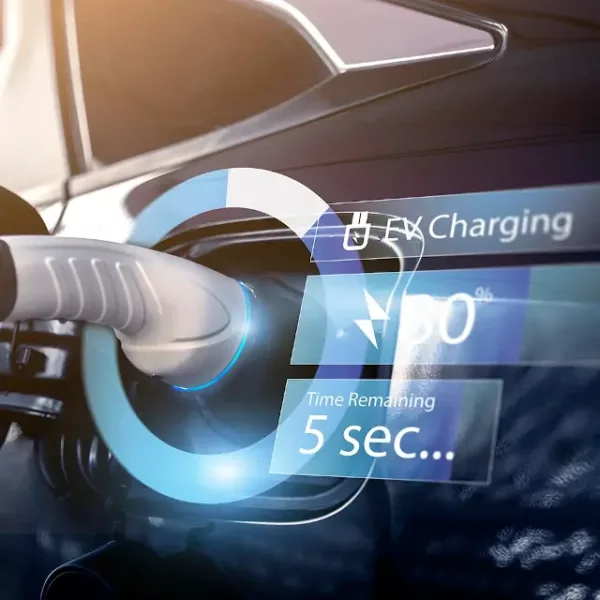
Battery Fire Course

This course provides maritime personnel with an understanding of the hazards associated with the transportation of electric vehicles (EVs) and lithium-ion batteries by sea. As the number of battery-powered vehicles and devices carried onboard vessels continues to increase, operators, crew and shore-based personnel must be prepared to recognise, assess, and respond to battery-related incidents safely and effectively.

08 Oct 2026
05 Nov 2026
09 Dec 2026
17 Dec 2026
Interested in attending? Get started now
View upcoming dates (4)
homepage-3-4-640w-600x600.webp

Dates

1 day, 08:30 AM BST - 04:30 PM BST

Paisley

Session information

Sessions

Session 1
08:30 BST - 12:00 BST
3 hours, 30 minutes
Paisley
    Practical training
    13:00 BST - 16:30 BST
    3 hours, 30 minutes
    Paisley
      • £550.00 excl. VAT

      1 day, 08:30 AM - 04:30 PM

      Paisley

      Session information

      Sessions

      Session 1
      08:30 - 12:00
      3 hours, 30 minutes
      Paisley
        Practical training
        13:00 - 16:30
        3 hours, 30 minutes
        Paisley
          • £550.00 excl. VAT

          1 day, 08:30 AM - 04:30 PM

          Paisley

          Session information

          Sessions

          Session 1
          08:30 - 12:00
          3 hours, 30 minutes
          Paisley
            Practical training
            13:00 - 16:30
            3 hours, 30 minutes
            Paisley
              • £550.00 excl. VAT

              1 day, 08:30 AM - 04:30 PM

              Paisley

              Session information

              Sessions

              Session 1
              08:30 - 12:00
              3 hours, 30 minutes
              Paisley
                Practical training
                13:00 - 16:30
                3 hours, 30 minutes
                Paisley
                  • £550.00 excl. VAT

                  Description

                  This course provides maritime personnel with an understanding of the hazards associated with the transportation of electric vehicles (EVs) and lithium-ion batteries by sea. As the number of battery-powered vehicles and devices carried onboard vessels continues to increase, operators, crew and shore-based personnel must be prepared to recognise, assess, and respond to battery-related incidents safely and effectively.

                  The programme examines lithium-ion battery technology, thermal runaway, fire behaviour, warning signs of battery failure, and the unique challenges presented by electric vehicle fires within the maritime environment. Participants will gain an understanding of current industry guidance, operational best practices and lessons learned from significant incidents involving electric vehicles and lithium-ion battery systems. The course also considers the risks posed by smaller lithium-ion battery-powered devices commonly carried onboard vessels, including personal electronic devices, e-bikes, e-scooters, and other rechargeable equipment.

                  Practical elements of the course provide participants with the opportunity to explore safe approach techniques, firefighting and suppression methods, tactical decision-making, and post-fire management considerations, including contamination control and decontamination procedures.

                  The course is intended for seafarers, company representatives, port personnel, and other maritime professionals involved in the transportation, handling, management or oversight of electric vehicles and lithium-ion battery-powered cargoes.

                  Learning Objectives

                  1. Explain the hazards associated with lithium-ion batteries and electric vehicles, including battery construction, thermal runaway, and fire development
                  1. Recognise the signs and indicators of battery failure and thermal runaway, enabling early identification and appropriate escalation of potential incidents
                  1. Describe and apply appropriate firefighting, suppression, and emergency response techniques for electric vehicle battery fires within the maritime environment
                  1. Identify the risks associated with toxic off-gassing, contamination, and re-ignition, and implement suitable post-fire monitoring and decontamination procedures


                  Price

                  £550 ex. VAT per person

                  Similar Courses

                  Aimed to provide Learners with a greater awareness in the use of ladders, step ladders, harnesses and a variety of other equipment that is used when working at height, and an introduction to rescue operatons at height.
                  This course is suitable for seafarers who are about to serve, or are already serving as either safety representatives or safety officers. This training is intended to meet the requirements set out in The Merchant Shipping and Fishing Vessels (Health and Safety at Work) Regulations and the Code of Safe Working Practice for Merchant Seafarers (CoSWP).
                  STCW Elementary First Aid includes a blend of theory development and practical experience. The course is STCW approved and is mandatory for any person working as core crew on a merchant vessel.
                  The MCA Approved Engine Course 2 (AEC2). is a mandatory five-day course for students enrolled in the new small vessel route to second engineer and is ideal for the owners or operators of small inshore commercial and pleasure vessels. Delivery of the content is split into both classroom activities and practical application. It comprises of approximately 50% theory and 50% practical work.