
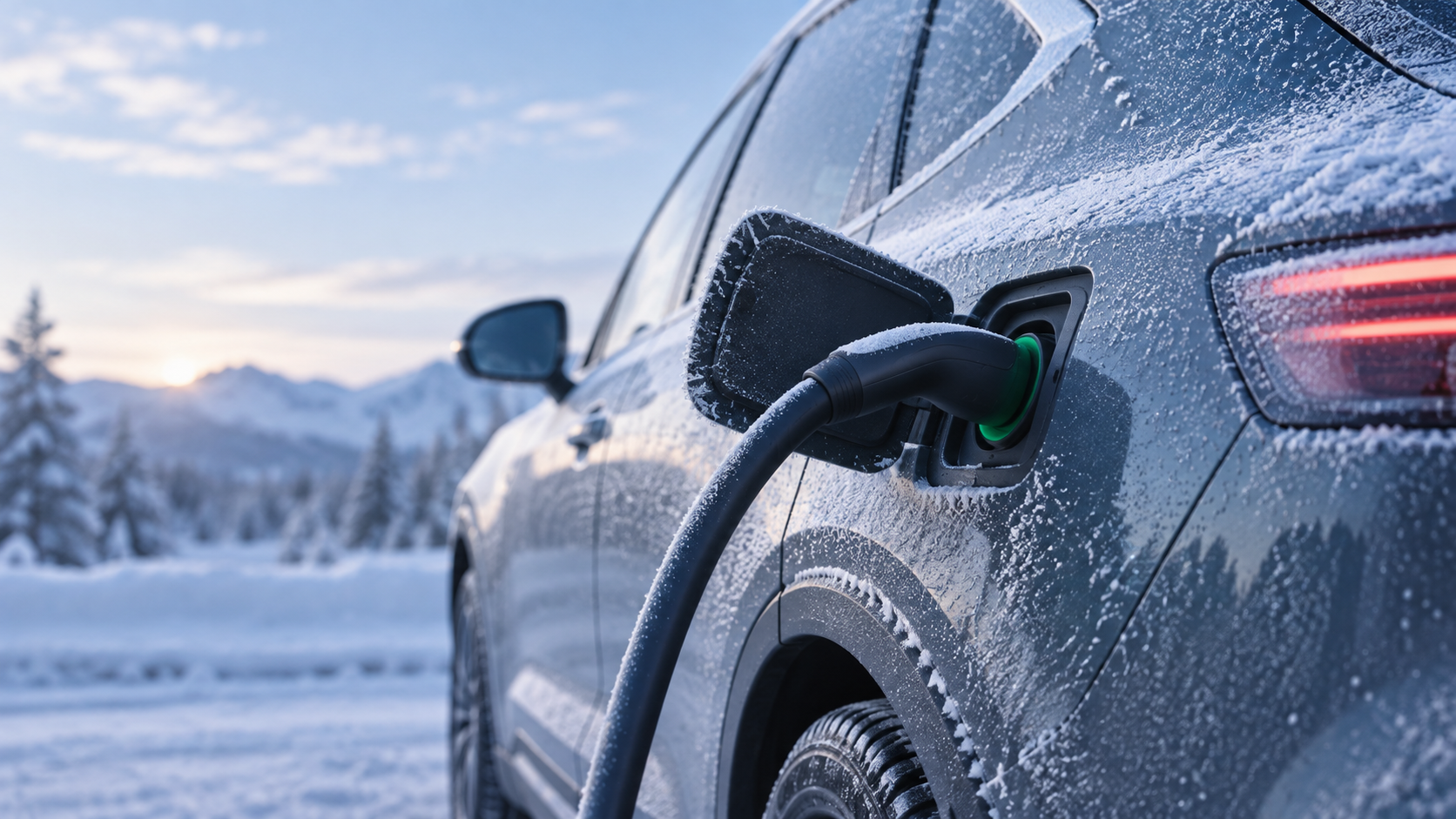
It seems counterintuitive – fire is heat, so surely cold weather is the safest time of year for it? When it comes to lithium-ion batteries, the opposite is closer to the truth. Winter is one of the riskiest seasons for battery-related fires, and the reasons come down to some quietly dangerous chemistry that most people never think about as they plug in their phone on a frosty morning.
For anyone working in maritime, offshore or any environment where lithium-ion batteries are present in numbers, understanding the cold-weather risk is worth a few minutes of your time. Here is what actually happens inside a battery when the temperature drops, and why it matters.
The Chemistry: What Cold Does to a Lithium-Ion Battery
Inside every lithium-ion battery, energy flows through a chemical reaction that shuttles lithium ions between two electrodes through a liquid electrolyte. In normal conditions, when you charge the battery, those ions are absorbed smoothly into the graphite anode, rather like water soaking into a sponge.
So how does cold weather disrupts this? As temperatures fall below freezing, the electrolyte thickens and becomes more viscous, closer to cold syrup than free-flowing liquid. The lithium ions slow to a crawl, and here is where the danger begins. Instead of being absorbed neatly into the anode, the ions start to coat its surface as metallic lithium, this process is called lithium plating.
Lithium plating is bad news for two reasons. First, it is permanent – even a single charge in freezing conditions can cause irreversible damage, and it can take only a few cold cycles to ruin a new battery. Second, and more seriously, it makes the battery unstable. The plated metallic lithium can form sharp, crystal-like structures called dendrites, which can pierce the internal separators inside the cell, causing an internal short circuit. That short circuit generates heat, and that heat can trigger thermal runaway, the runaway chain reaction that leads to ignition or explosion.
The Dangerous Detail: Charging Is the Real Risk
Here is the part most people get wrong, the greatest danger is not using a battery in the cold, it is charging one in the cold.
A lithium-ion battery will happily discharge in low temperatures, giving you reduced performance and shorter runtime, but without the same structural danger, but charging is different. Consumer-grade lithium-ion batteries genuinely should not be charged below 0°C, and the recommended safe charging window is roughly 0°C to 45°C. The trouble is that the battery often appears to charge normally even when it is too cold, giving no visible sign that plating is quietly building up inside.
This is exactly why winter incidents catch people out. A device left charging in an unheated space, a vehicle battery topped up in freezing conditions, a power bank charged after coming in from the cold before it has warmed through: all of these can be doing hidden damage that only reveals itself later, sometimes catastrophically, when the compromised battery is stressed, knocked or charged again.
Why Winter Raises the Risk on Every Front
Beyond the chemistry, winter stacks up the odds in other ways too.
People charge more, indoors and often unattended. Shorter days and colder weather mean more device use, more charging overnight, and more battery-powered equipment brought inside and plugged in. Damaged batteries are more common than people think. A battery that was dropped, knocked or subjected to cold charging can look completely fine externally while carrying internal faults, and the risk often becomes critical later, when it is next charged and left unattended.
Temperature swings compound the problem, bringing a very cold battery indoors and immediately charging it, before its internal temperature has risen above the safe threshold, is one of the most common real-world causes of cold-weather battery failure. The battery may be at room temperature on the outside long before its core has caught up.
Why This Matters at Sea
The maritime environment concentrates every one of these risks. Vessels operate through winter in cold, exposed conditions. Crew bring personal devices, power banks and rechargeable equipment aboard and charge them in cabins and accommodation spaces. Battery-powered tools, backup systems and increasingly EV cargo all rely on the same chemistry, and all of it is exposed to the temperature extremes and swings that make cold-weather charging so risky.
Add to that the fundamental challenge that a lithium-ion fire at sea is far harder to contain than the same incident ashore, and the winter dimension becomes something worth taking seriously. Confined spaces, limited ventilation and traditional fire suppression systems that were never designed for lithium-ion behaviour mean that a battery fire onboard, wherever it starts, is a serious event. The colder months simply raise the odds of one starting in the first place.
How to Reduce the Winter Risk
The good news is that the cold-weather risk is manageable once it is understood. The core principles are straightforward: avoid charging lithium-ion batteries in freezing conditions, and let a cold battery warm up to room temperature before charging it. Never leave devices charging unattended in unheated spaces, keep batteries and devices in moderate temperatures wherever possible, and treat any battery that has been dropped, damaged or exposed to extreme cold with caution rather than assuming it is fine because it looks fine. Most EV’s have a battery heating feature, allowing you to warm the battery while driving, allowing you to charge and retain the heat before the cold has a chance to set in – but EV’s left outside in freezing conditions and being connected after stagnant periods still pose a risk.
For crews and operators, awareness is the real safeguard. Recognising that winter increases battery fire risk, understanding why, and knowing the warning signs of a failing battery, swelling, unusual heat, chemical odours, means problems can be caught before they escalate.
Building Battery Fire Awareness
Lithium-ion batteries are now everywhere in maritime operations, and their risks change with the seasons in ways that traditional fire safety training was never designed to cover. Understanding how these fires start, why cold weather makes them more likely, and how to respond when one occurs is increasingly essential knowledge for anyone working at sea.
Stream Marine Training’s Battery Fire Course gives maritime personnel exactly that understanding, covering lithium-ion battery technology, thermal runaway, the warning signs of battery failure, and the practical skills needed to recognise, assess and respond to battery-related incidents safely. As the nights draw in and the risk rises, it is the right time to make sure your crew are prepared.
Frequently Asked Questions
Can cold weather cause lithium-ion battery fires?
Yes, indirectly but significantly. Cold weather itself does not ignite a battery, but charging a lithium-ion battery in freezing conditions causes lithium plating, where metallic lithium builds up on the anode instead of being absorbed. This can form sharp structures called dendrites that pierce the cell’s internal separators, causing a short circuit that can lead to overheating and thermal runaway. So while the cold is not the spark, it creates the internal damage that makes a fire far more likely.
Is it safe to charge a lithium-ion battery in the cold?
No, not below freezing. Consumer-grade lithium-ion batteries should not be charged below 0°C, and the recommended safe charging range is roughly 0°C to 45°C. The danger is that a battery often appears to charge normally even when it is too cold, so there is no visible warning that damage is occurring. Always let a cold battery warm up to room temperature before charging it.
Why is charging more dangerous than using a battery in the cold?
A lithium-ion battery can discharge in cold conditions with reduced performance but without the same structural risk. Charging is different, because that is when lithium plating occurs. Most real-world cold-weather battery failures happen during charging, not during use, which is why bringing a very cold battery indoors and charging it immediately is one of the most common causes of winter battery incidents.
What are the warning signs of a damaged lithium-ion battery?
Warning signs include swelling or bulging of the casing, unusual heat during charging or use, hissing or popping sounds, strong chemical odours, and visible damage such as dents or scorch marks. Any battery showing these signs should be removed from service immediately and not recharged. A battery damaged by cold charging can look normal externally while carrying hidden internal faults.
Why are battery fires especially dangerous at sea?
The maritime environment concentrates the risk. Vessels operate through cold winter conditions, crew charge personal devices in confined accommodation spaces, and a lithium-ion fire at sea is far harder to contain than the same incident ashore. Limited ventilation, restricted escape routes and fire suppression systems that were not designed for lithium-ion behaviour all make a battery fire onboard a serious event.
How can I reduce the risk of a winter battery fire?
Avoid charging lithium-ion batteries in freezing conditions, and let cold batteries warm to room temperature first. Do not leave devices charging unattended in unheated spaces, keep batteries in moderate temperatures where possible, and treat any battery that has been dropped or exposed to extreme cold with caution. Awareness of the warning signs is the most effective safeguard.