
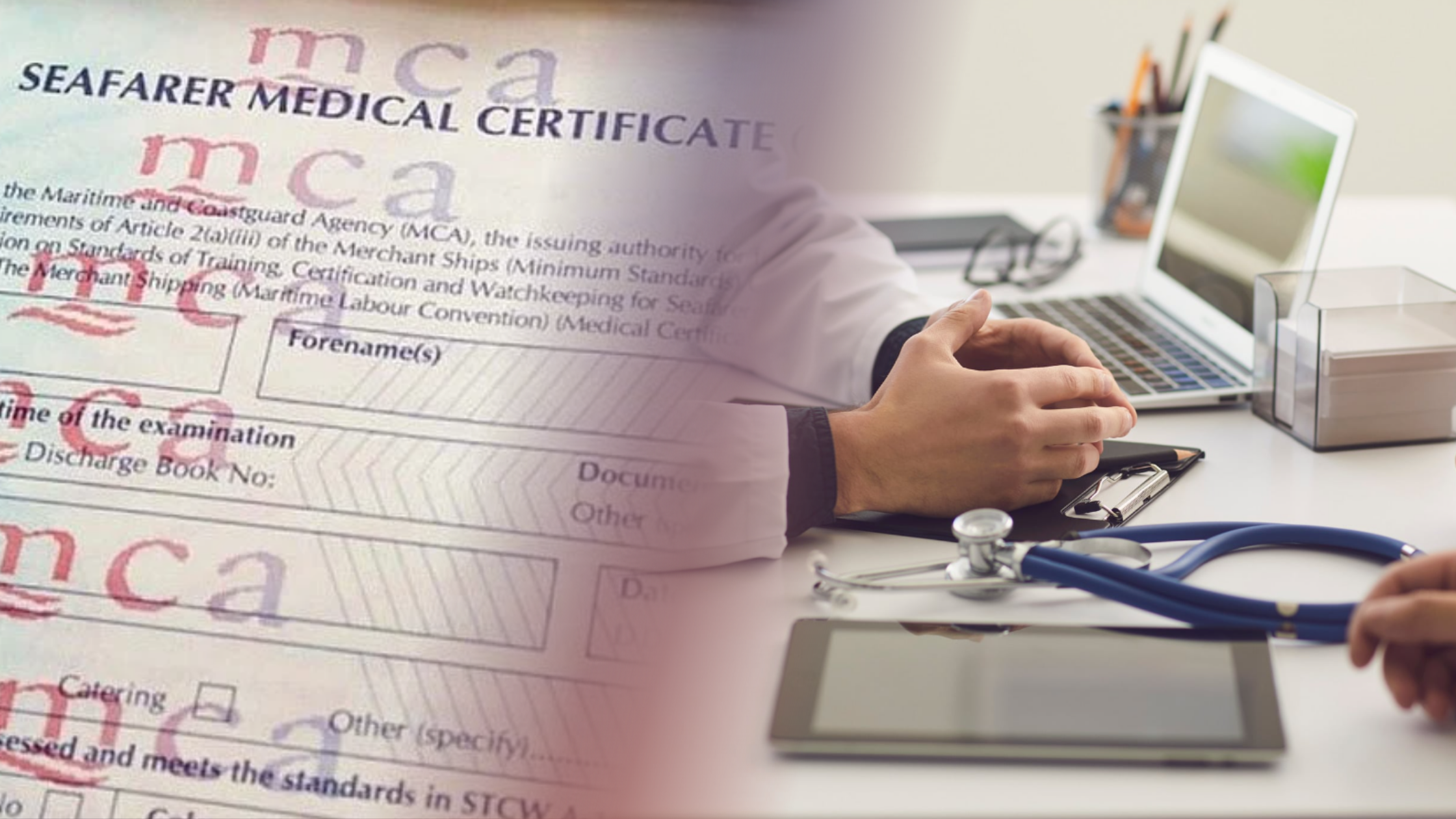
Before you step onto an offshore installation or vessel, you need an ENG1 medical certificate. This isn’t a formality – it’s a requirement that exists because working offshore demands a level of physical and mental fitness that goes beyond typical employment standards.
The offshore environment presents genuine challenges to health and safety. Isolation, demanding physical work, limited medical facilities and high-stress situations create conditions where pre-existing health issues could escalate rapidly from manageable to life-threatening. The ENG1 medical examination exists to ensure that personnel arriving offshore can handle the physiological and psychological demands of the work without creating risk for themselves or their colleagues.
Understanding what the ENG1 covers, why specific standards exist and how to prepare for your examination can reduce anxiety and ensure you arrive at your medical appointment properly prepared.
What is the ENG1 Medical Certificate?
The ENG1 is a maritime medical certificate issued under UK maritime regulations. It certifies that an individual has been assessed by an approved maritime medical examiner and found to meet the medical standards required for service at sea or on offshore installations.
The certificate lasts for two years. It applies to all seafarers and offshore workers who need to demonstrate medical fitness for their roles. Unlike a general occupational health assessment, the ENG1 specifically addresses the demands of maritime and offshore work, with standards that reflect operational realities rather than standard employment requirements.
The approval to issue ENG1 certificates comes from the Maritime and Coastguard Agency (MCA). Not all medical professionals can issue them – only doctors who have received specific training and accreditation can conduct ENG1 examinations. This ensures consistency in standards across all examining doctors and all approved facilities.
Who Needs an ENG1 Medical Certificate?
The requirement applies broadly across maritime and offshore sectors. Seafarers working on commercial vessels require ENG1 certification to be employed. Offshore installation personnel need it before deploying to platforms. Helicopter crew, supply vessel personnel and anyone with designated safety duties at sea typically require certification before commencing work.
The specific requirement depends on your role and the regulations governing your employer. Some roles carry exemptions, but these are limited and typically apply only to very specific circumstances. If your employer has told you that you need an ENG1, that requirement exists because your role involves working in an environment where medical fitness has genuine operational significance.
What the ENG1 Examination Covers
The ENG1 medical examination is structured, comprehensive and designed to identify any conditions that could affect your safety or operational effectiveness. Understanding what doctors are assessing helps demystify the process and ensures you arrive prepared.
Vision and Hearing Assessment
Your eyesight and hearing are critical for safety at sea and offshore. The examination tests visual acuity, colour vision, depth perception and field of vision. Hearing tests assess whether you can distinguish sounds at frequencies relevant to safety communication and alarm systems.
Standards for vision and hearing exist because these senses directly affect your ability to perceive hazards, respond to alarms and communicate in emergencies. If you wear glasses or hearing aids, you can still obtain certification – the standard applies to your corrected capability, not your uncorrected vision or hearing.
Cardiovascular Assessment
The examination includes blood pressure measurement, pulse assessment and sometimes electrocardiograph (ECG) testing depending on your age and medical history. Cardiovascular fitness matters because offshore work often involves physical demands and stress, and medical facilities cannot provide the rapid specialist care available ashore.
If you have a history of heart conditions, high blood pressure or other cardiovascular concerns, the examiner will assess whether these are managed effectively and whether your current fitness level is appropriate for offshore work.
Respiratory and Chest Assessment
Doctors assess your respiratory function through clinical examination and sometimes spirometry testing. Lung capacity and breathing function matter because offshore work can involve physical exertion in environments where air quality may vary.
If you have a history of asthma, smoking-related conditions or other respiratory issues, the examiner will determine whether these are controlled sufficiently for you to work safely in the offshore environment.
Abdominal and General Health Assessment
The examination includes abdominal examination to assess for hernias or other conditions that could affect physical capability or require emergency treatment. General clinical assessment identifies any obvious health concerns that might affect offshore suitability.
Neurological and Psychological Assessment
Doctors assess for any neurological conditions that could affect safety – such as epilepsy, recurring fainting or conditions affecting balance or coordination. Psychological assessment is less formal than clinical neurological examination but includes discussion of any history of mental health conditions, substance use or current medications that might affect decision-making or physical capability.
Blood and Urine Testing
Most ENG1 examinations include blood and urine testing. Blood tests typically assess liver and kidney function, cholesterol levels and sometimes glucose levels to screen for diabetes. Urine testing screens for infection and metabolic conditions.
These tests exist because your organs need to function well to handle the stress of offshore work, and some conditions can be managed more effectively if identified early.
Physical Capability Assessment
The examination includes assessment of physical capability relevant to your role. If your position involves specific physical demands, the doctor may assess your ability to perform those functions. This isn’t a formal fitness test – it’s clinical assessment of whether your general physical capability matches your role requirements.
Preparing for Your ENG1 Examination
Preparation reduces anxiety and ensures you present yourself accurately to the examining doctor. Several steps can help.
Gather relevant medical records beforehand. If you have a GP, request copies of recent blood pressure readings, cholesterol levels or any medical conditions you’ve had treated. If you take medications, bring the original bottles or a list so the doctor can verify dosages and types.
Avoid caffeine and stimulating activities on the morning of your examination. Caffeine can elevate blood pressure, potentially affecting results. A calm state when arriving for examination provides more accurate cardiovascular readings.
Wear comfortable clothing that allows easy access to arms for blood pressure measurement and blood sampling. Avoid very tight sleeves or clothing that makes assessment difficult.
Be honest with the examiner about your medical history, current symptoms and any concerns. The examining doctor isn’t looking for reasons to fail you – they’re trying to identify any genuine medical issues that could affect your safety offshore. Honesty helps ensure that the certificate you receive is medically appropriate for your actual health status.
If you know of any health concerns, consider discussing them with your GP before the ENG1 examination. Sometimes conditions are more easily managed once identified, and your GP can provide context about treatment, prognosis and expected course of conditions.
Common Concerns About ENG1 Medical Examinations
Will I be refused an ENG1 if I have a chronic condition?
Not necessarily. Many conditions can be managed effectively, and management doesn’t automatically disqualify you. Conditions like controlled high blood pressure, diabetes managed with medication or asthma controlled with inhalers often result in ENG1 approval, provided the condition is stable and well-managed.
How much does an ENG1 medical examination cost?
Costs vary depending on the examining doctor and location, but typically range from £80 to £120. Some employers cover this cost as part of employment requirements. Confirm with your employer whether they fund ENG1 examinations or whether you bear the cost.
How long does the examination take?
Most ENG1 examinations take between 30 to 45 minutes. More complex histories or additional testing may extend this time. Plan for approximately one hour from arrival to completion.
What happens if I fail the ENG1 examination?
If the examining doctor identifies a condition that prevents approval, they will explain the specific issue and may recommend that you seek treatment or further assessment from a specialist. You can then seek re-examination once the condition has been addressed.
ENG1 Certification at Stream Marine Training
Stream Marine Training are not able to provide ENG1 Medical Assessments. Delegates should seek ENG1 medical assessment from trusted providers.
Phone: +44 (0)141 212 8777
Email: bookings@streammarinetraining.com
Website: streammarinetraining.com
FAQs
What is an ENG1 medical certificate?
An ENG1 is a maritime medical certificate issued by MCA-approved doctors certifying that you meet the medical standards required for work at sea or on offshore installations. It lasts two years and requires re-examination before expiry.
Who needs an ENG1 medical certificate?
Seafarers, offshore workers and anyone with designated safety duties at sea typically require ENG1 certification. Requirements depend on your specific role and employer, but if your employer requires it, the certification is mandatory.
What does the ENG1 examination cover?
The examination assesses vision and hearing, cardiovascular fitness, respiratory function, abdominal and general health, neurological and psychological status, blood and urine tests and physical capability relevant to your role.
How long is an ENG1 certificate valid?
ENG1 certificates are valid for two years. You must undergo re-examination before expiry if you need to continue working offshore or at sea.
Can I be refused an ENG1 if I have a medical condition?
Not automatically. Many conditions can be managed effectively and still permit ENG1 approval. The examining doctor will assess whether your condition, as currently managed, permits safe offshore work.
How much does an ENG1 examination cost?
Costs typically range from £80 to £120 depending on the examining doctor and location. Some employers cover this cost as part of employment requirements.
What should I do to prepare for my ENG1 examination?
Gather relevant medical records, avoid stimulating substances on the morning of examination, wear comfortable clothing and be honest with the examining doctor about your medical history and any health concerns.
What happens if I fail the ENG1 examination?
If the examining doctor identifies a disqualifying condition, they will explain the specific issue and may recommend treatment or specialist assessment. You can seek re-examination once the condition has been addressed.
How long does an ENG1 examination take?
Most examinations take 30 to 45 minutes. Plan for approximately one hour from arrival to completion.
Where can I get an ENG1 medical examination?
MCA-approved maritime medical examiners conduct ENG1 examinations. Stream Marine Training does not provide ENG1 medical assessments.