
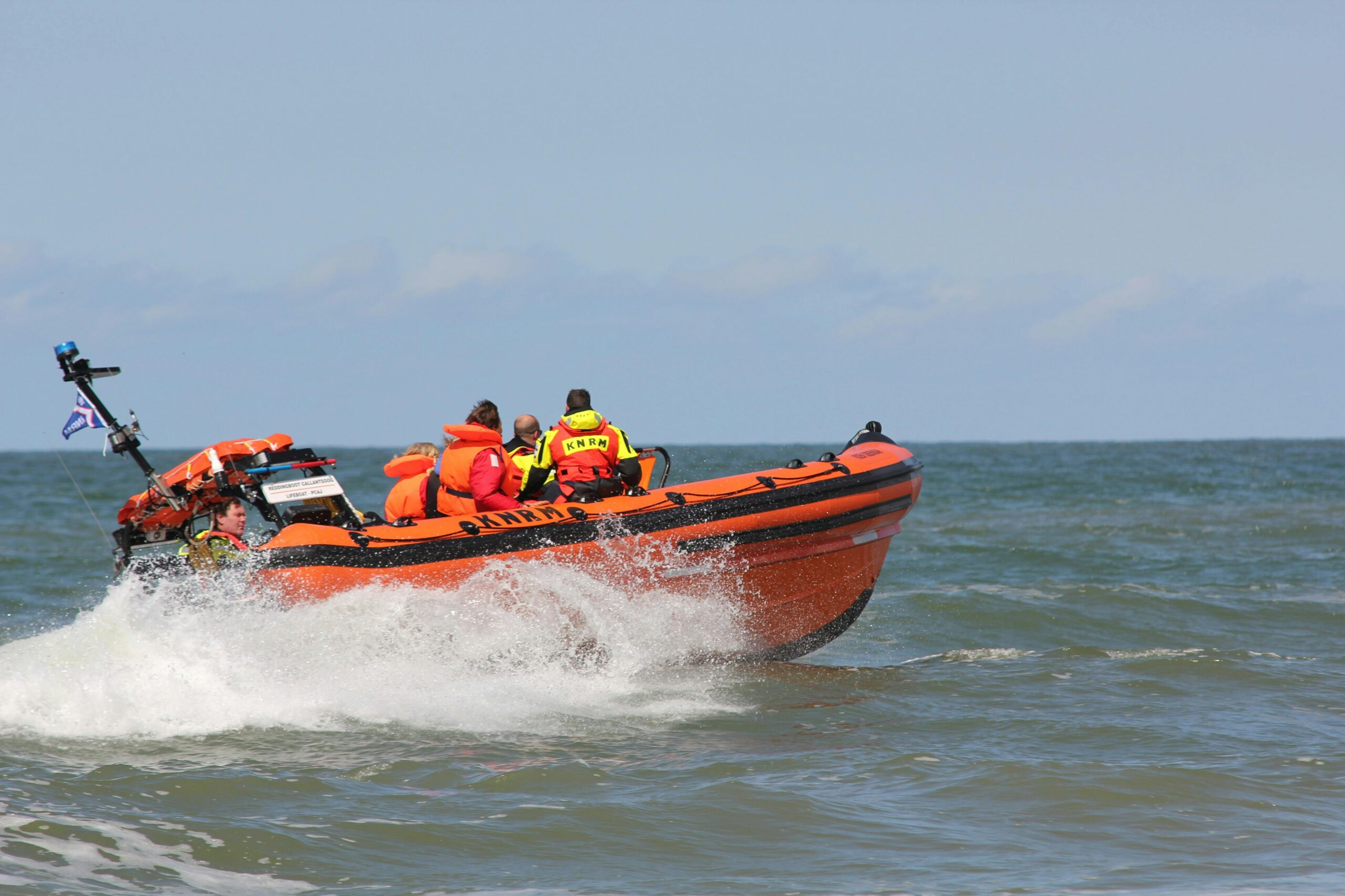
Fast rescue boat training is a requirement many offshore and maritime workers are aware of, but not many fully understand.
We regularly meet candidates who know they need FRB certification but are unclear on what the training involves, how it fits within STCW rescue boat requirements, or what level of responsibility comes with the role.
At Stream Marine Training, we believe rescue boat competence should never be vague. This guide explains fast rescue boat training clearly, based on how it is actually used offshore and at sea.
What is fast rescue boat training?
Fast rescue boat training prepares crew members to operate high-speed rescue craft during emergencies.
These boats are designed for rapid deployment and are used when time, conditions, and risk levels are high. They are not general workboats and they are not forgiving if handled poorly.
Fast rescue boats are typically used for:
-
Recovering people from the water
-
Supporting helicopter operations
-
Responding to man overboard situations
-
Providing rapid rescue cover around vessels or installations
At SMT, we teach FRB training as an emergency response role, not just a driving exercise. Boat handling matters, but judgement and teamwork matter more.
Who needs fast rescue boat certification?
Fast rescue boat certification is required for personnel who may be assigned rescue boat duties as part of their job.
This usually includes:
Deck crew with rescue duties
Anyone listed on a muster list or emergency plan as part of the rescue boat crew will normally need FRB certification.
Offshore oil and gas workers
Many offshore installations operate fast rescue craft as part of their emergency response capability.
Offshore renewables workers
Fast rescue boats are widely used on wind farms and renewable sites, often in exposed conditions.
Emergency response personnel
Those supporting medevac, helicopter operations, or offshore rescue scenarios may require FRB training.
Career changers entering offshore or maritime roles
If your role includes rescue responsibilities, FRB certification is often required before you can be assigned to that function.
Employers are responsible for ensuring crew competence. FRB training is one way that competence is formally assessed and recorded.
How fast rescue boat training fits within STCW requirements
Fast rescue boat training forms part of the wider STCW rescue boat framework.
STCW requires personnel assigned to rescue boat duties to be trained and assessed for the type of craft they operate. Fast rescue boats are treated differently to conventional rescue boats due to their speed and risk profile.
FRB training focuses on:
-
High-speed handling and control
-
Safe launch and recovery
-
Casualty recovery techniques
-
Communication during emergencies
-
Operating in reduced visibility and poor conditions
At SMT, we make sure candidates understand how FRB competence fits into the wider onboard or offshore emergency response system.
What you learn during fast rescue boat training
Fast rescue boat training is practical and hands-on. You are expected to operate the craft, not just observe.
Boat handling
You will learn how to control a fast rescue craft safely at speed, including manoeuvring close to people in the water.
Launch and recovery
Incorrect launch or recovery is a common source of risk. Training focuses on doing this safely and consistently.
Casualty recovery
Recovering casualties from the water, including injured or unconscious persons, using correct techniques and teamwork.
Communication
Clear communication with the bridge, installation, and other responders is essential during an incident.
Decision-making
Fast rescue boat operators must constantly assess conditions and risks. Training focuses on making safe decisions under pressure.
Our instructors bring real offshore, maritime, and emergency service experience into every exercise. That experience shapes how scenarios are run and assessed.
Initial fast rescue boat training vs refresher training
Initial fast rescue boat training
Initial training is for those who have not previously held FRB certification or are new to fast rescue boat duties.
It establishes core skills and confirms that a candidate can operate safely within their assigned role.
Fast rescue boat refresher training
Refresher training is required to maintain competence.
Refresher courses focus on:
-
Confirming practical handling skills
-
Reviewing emergency procedures
-
Reinforcing safe decision-making
-
Reassessing teamwork and communication
At SMT, we align refresher training with recognised STCW and industry requirements. We do not guess renewal periods or apply assumptions.
If you are unsure whether you need an initial course or a refresher, we can advise based on your role and certification history.
Understanding the responsibility of an FRB operator
Operating a fast rescue boat carries serious responsibility.
You may be tasked with recovering colleagues, operating in poor weather, or supporting emergency evacuations. These situations develop quickly and leave little margin for error.
That is why FRB training is competency-based and assessed. At SMT, we are clear about expectations from the start. Our role is to prepare you properly, not to rush you through.
Why we teach fast rescue boat training the way we do
At Stream Marine Training, our approach is built around real operations, not ideal conditions.
-
-
-
-
Scenario-based training
-
a-start=”6541″ data-end=””Instructors”></li>
</li>
- =””>=””>=””>=””>=””>=””>=””>=””>=””>=””>=””>=””>=””>=””>=””>=””>=””>=””>=””>=””>=””>=””>=””>=””>=””>=””>=””>=””>=””>=””>=””>=””>=””>=””>=””>=””>=””>=””>=””>=””>=””>=””>=””>=””>=””>=””>=””>=””>=””>=””>=””>=””>=””>=””>=””>=””>=””>=””>=””>=””>=””>=””>=””>=””>=””>=””>=””>=””>=””>=””>=””>=””>=””>=””>=””>=””>=””>=””>=””>=””>=””>=””>=””>=””>=””>=””>=””>=””>=””>=””>=””>=””>=””>=””>=””>=””>=””>=””>=””>=””>=””>=””>=””>=””>=””>=””>=””>=””>=””>=””>=””>=””>=””>=””>=””>=””>=””>=””>=””>=””>=””>=””>=””>=””>=””>=””>=””>=””>=””>=””>=””>=””>=””>=””>=””>=””>=””>=””>=””>=””>=””>=””>=””>=””>=””>=””>=””>=””>=””>=””>=””>=””>=””>=””>=””>=””>=””>=””>=””>=””>=””>=””>=””>=””>=””>=””>=””>=””>=””>=””>=””>=””>=””>=””>=””>=””>=””>=””>=””>=””>=””>=””>=””>=””>=””>=””>=””>=””>t=””>art=”6590″ data-end=”6628″&amp;gt;&amp;amp;amp;amp;amp;amp;lt;p data-start=”6592″ data-end=”6628″&gt;Focus on competence and confidence&lt;/li>
<li data-star=””>t=”6539″ data-=””>end=”6589″><
-
-
li class=”yoast-text-mark”>lass=””>=”yoast-text-mark” data-start=”6629″>>-end=”66</li>
-
- t=””>80″>&amp;lt;p data-start=”6631″ data-end=”6680″>Clear alignment with STCW rescue bo
- at standards
&
lt;/
ul>
<p class=”yoast-text-mar
- <ul data-start=”6511″ data-end=”6680″>k”>ass=”yoast-text-mark”>-start=”6682
” data-end=”6759″>We train people to operate safely when it matters, not just to pass a course.
T
-
- his article b
reaks it down properly. No box ticking, no vague compliance language. Just a clear explanation of what FRB training involves, who needs it, and why it matters.
What is fast rescue boat training?
Fast rescue boat training is a specialist rescue boat qualification focused on high-speed rescue craft used during emergencies offshore and at sea.
Fast rescue boats are designed to be launched quickly, operated in demanding conditions, and used for tasks such as:
-
-
-
Recovering casualties from the water
-
Supporting helicopter operations
-
Acting as a rescue platform during offshore emergencies
-
Providing fast response capability around installations and vessels
-
-
At SMT, we treat FRB training as far more than boat handling. Yes, you need to drive the boat properly, but the real focus is judgement, coordination, situational awareness, and safe decision-making under pressure.
Operating a fast rescue boat puts you directly in the middle of the emergency response chain. Mistakes matter.
Who needs fast rescue boat certification?
Fast rescue boat certification is typically required for personnel who may be assigned rescue boat duties as part of their role.
This includes:
Deck crew with rescue responsibilities
Anyone named on a muster list or emergency plan as part of the rescue boat crew will normally require FRB certification.
Offshore oil and gas workers
Installations operating fast rescue craft require trained personnel to crew and operate them safely during drills and real incidents.
Offshore renewables workers
Wind farms and offshore renewable sites use fast rescue boats extensively, often in exposed conditions where competence is critical.
Emergency response teams
Personnel supporting helicopter operations, medevacs, or offshore rescue scenarios often require FRB training as part of their wider emergency role.
Career changers entering offshore or maritime roles
If your intended role includes rescue duties, FRB training is often a requirement before you can be assigned to that function.
Employers are responsible for ensuring crew competence. FRB certification is one of the ways that competence is demonstrated and assessed.
How fast rescue boat training fits into STCW rescue boat requirements
Fast rescue boat training sits within the wider framework of STCW rescue boat certification.
Under STCW, personnel assigned to rescue boat duties must be trained and assessed to operate that craft safely. Fast rescue boats are a specific type of rescue craft, with different handling characteristics, speed, and risk profile compared to conventional rescue boats.
FRB training focuses on:
-
-
-
High-speed manoeuvring
-
Launch and recovery procedures
-
Casualty recovery at speed
-
Communication and coordination during emergencies
-
Operating safely in reduced visibility and challenging sea states
-
-
At SMT, we ensure candidates understand how FRB competence supports the broader STCW emergency response structure onboard or offshore.
What you actually learn during fast rescue boat training
Fast rescue boat training is practical by design. You will be expected to operate, assess, and respond, not just observe.
Boat handling and control
You will learn how to control a fast rescue craft safely at speed, including turning, stopping, station keeping, and operating close to people in the water.
Launch and recovery procedures
Safe launching and recovery is a critical part of FRB operations and a common source of risk if done incorrectly.
Search and recovery techniques
Recovering casualties from the water, including unconscious or injured persons, using appropriate methods and teamwork.
Communication and coordination
Clear communication with the vessel, installation, bridge teams, and other responders is essential during an incident.
Risk assessment and decision-making
Fast rescue boat operators must continually assess conditions, risks, and limitations. This is where experience and training really matter.
Our instructors bring real offshore, maritime, and emergency service experience into every scenario. That practical insight shapes how we teach, assess, and prepare candidates.
Initial fast rescue boat certification vs refresher training
Initial fast rescue boat training
Initial FRB training is designed for personnel who are new to fast rescue boat operations or who have not previously held the certification.
This training establishes core competence and ensures candidates can operate safely within their assigned role.
Fast rescue boat refresher training
Refresher training is required to maintain competence and ensure skills remain current.
Refresher courses focus on:
-
-
-
Reconfirming practical handling skills
-
Reviewing emergency procedures
-
Updating best practice where relevant
-
Reassessing decision-making and teamwork
-
-
At SMT, we do not speculate on renewal periods. We align refresher training with recognised industry and STCW requirements and employer policies.
If you are unsure whether you need an initial course or a refresher, our team can advise based on your certification history and role.
What level of responsibility does FRB training carry?
Fast rescue boat operators carry real responsibility.
You may be tasked with recovering colleagues, supporting emergency evacuations, or operating in poor weather and limited visibility. This is not a passive role.
That is why FRB training is assessed, practical, and competency-based.
At SMT, we are clear about expectations from day one. You will be coached, supported, and challenged to meet the required standard, because that standard protects lives.
Why SMT’s approach to fast rescue boat training is different
At Stream Marine Training, we deliver FRB training the way it should be taught.
-
-
-
Scenario-based, not scripted
-
Instructors with real operational experience
-
Focus on competence, confidence, and decision-making
-
Clear alignment with STCW rescue boat requirements
-
-
We train people to perform safely when it matters, not just to pass an assessment.
Frequently asked questions
How difficult is fast rescue boat training?
Fast rescue boat training is demanding but achievable. Candidates need reasonable physical ability, good situational awareness, and the willingness to engage practically. The challenge comes from operating safely under pressure rather than from physical strength alone.
Do I need fast rescue boat training if I already have rescue boat experience?
If your role involves operating a fast rescue craft, specific FRB certification is normally required. Experience alone does not replace formal training and assessment.
How long does fast rescue boat certification last?
Certification validity and refresher requirements depend on industry standards and employer policies. Refresher training is required to maintain competence and compliance.
Is fast rescue boat training assessed?
Yes. FRB training includes practical assessment to ensure candidates can operate safely and competently in realistic scenarios.
Can employers book fast rescue boat training for teams?
Yes. At SMT, we regularly deliver FRB training for employers responsible for vessel and offshore crew competence.