
Fire at sea is one of the most serious dangers any crew can face. There is no fire brigade to call, no crowd of responders arriving within minutes and no option to step outside while the situation is dealt with. The people on board are the only line of defence, which is why firefighting training sits at the heart of maritime safety.
STCW Fire Prevention and Fire Fighting and STCW Advanced Fire Fighting prepare seafarers for situations that demand fast, coordinated action. At SMT we train hundreds of crew members every year in the fire ground, and every session reinforces the same point. Preparation saves lives. When a fire breaks out at sea, your confidence, your calmness and your training make all the difference.
This blog breaks down what each course teaches, how the skills apply in real emergencies and why seafarers trust SMT to deliver training that feels real while remaining safe and supportive.
Why Fire at Sea Is So Dangerous
Fire behaves differently on a vessel compared with a building on land. Heat spreads quickly through metal bulkheads, smoke travels along corridors and ladders, and even a small fire can threaten critical systems. You cannot wait for outside help. The crew must act immediately, follow their training and work together to contain the situation.
This is why STCW puts so much emphasis on fire safety. Every seafarer must know how to prevent fires and how to react when they occur.
What FPFF (Fire Prevention and Fire Fighting) Teaches You
FPFF is the foundation. It is the first time many new seafarers put on full firefighting gear, handle extinguishers or work as part of an emergency response team. The course focuses on two areas. Preventing fires before they start and building the confidence to tackle them when they do.
Recognising fire risks on board
Delegates learn how fires start, how heat and smoke behave in enclosed spaces and how simple actions can prevent serious incidents. This includes correct storage of fuels, electrical safety, hot work precautions and everyday behaviours that reduce risk.
Using the right equipment
You will work with extinguishers, hoses, nozzles and breathing apparatus. Understanding how each item functions allows you to choose the correct tool when seconds matter.
Teamwork and communication
Firefighting is a team effort. FPFF introduces clear communication, steady movement in low visibility and the importance of supporting each other.
Practical scenarios
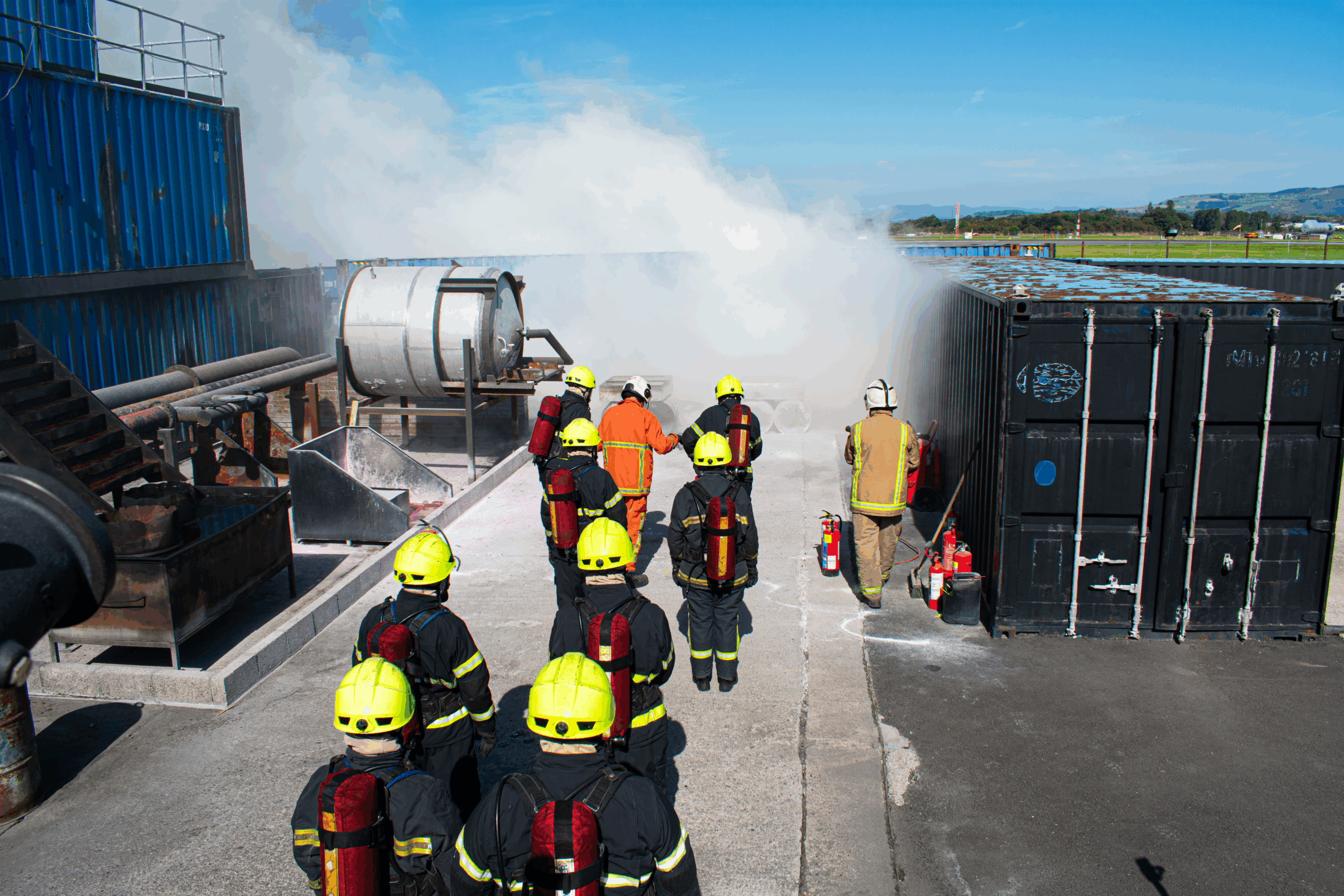
This is where SMT shines. Our fire ground allows you to experience real heat, smoke and controlled flames in a safe environment. You will tackle a stairwell fire, manage smoke conditions and learn how to stay calm under pressure.
What Advanced Fire Fighting Builds On
Once FPFF is complete, the next step for senior crew and designated emergency team members is STCW Advanced Fire Fighting. This course prepares leaders. It develops decision making skills and teaches you how to coordinate a firefighting response.
Commanding a team
You will learn how to assess a situation, allocate responsibilities and keep a clear overview while others are inside the smoke.
Firefighting strategy
Advanced training covers ventilation control, boundary cooling, containment and the use of fixed systems such as CO2, water mist and foam.
Search and rescue organisation
Locating missing crew members is one of the most demanding responsibilities during a fire. You will learn to plan searches, manage entry control and evaluate risks before committing teams to dangerous areas.
Understanding ship design
Bulkheads, compartments, escape routes and ventilation systems all matter during a fire. The course teaches you how to use the layout of a vessel to your advantage.
Simulation driven learning
At SMT, scenarios feel real. You will deal with unpredictable fire development, pressure from time limits and the challenge of managing people who rely on your decisions. All of this is delivered with expert guidance from instructors who have fought real fires, both at sea and in emergency services roles.
How These Skills Apply in Real Emergencies
When the alarm sounds, the training you receive becomes instinct. Crew members who complete FPFF know how to respond immediately. They check equipment, move as a team and follow the emergency plan. Those with Advanced Fire Fighting training know how to direct operations, protect escape routes and stabilise the situation until full control is restored.
Real emergencies are chaotic. Heat, noise and smoke can disorient anyone. Training creates discipline. It teaches people how to breathe steadily in breathing apparatus, how to trust their teammates and how to make decisions that protect the vessel and everyone on board.
Why Seafarers Choose SMT for Firefighting Training
SMT’s firefighting instructors include former Scottish Fire and Rescue Service leaders, experienced seafarers and maritime safety specialists. They bring personality, humour when appropriate and a reassuring presence that helps delegates push past nerves.
Training sessions include:
-
Live fire scenarios that feel real but remain safe
-
Breathing apparatus training delivered by experts
-
Hands on use of extinguishers, hose reels and foam systems
-
Realistic drills such as stair fires and tanker fires
-
Supportive coaching that builds confidence rather than fear
Delegates often comment that SMT strikes the right balance. Professional, serious and safety driven, but also friendly and encouraging. Many even enjoy the firefighting modules, despite the intensity, because the training team makes the experience memorable.
Recap
FPFF and Advanced Fire Fighting are two of the most important safety courses for seafarers. They prepare you for real emergencies, build confidence and create a strong foundation for working safely at sea. Whether you are just starting your maritime career or stepping into a leadership role, these courses give you the knowledge and practical experience you need.
SMT delivers firefighting training with a level of care, realism and expertise that helps every delegate finish the course feeling ready for the challenges of life at sea.
FAQs
What is FPFF training
FPFF teaches seafarers how to prevent fires, use firefighting equipment and respond safely to onboard emergencies.
Who needs Advanced Fire Fighting
Advanced Fire Fighting is required for officers and crew members responsible for leading or coordinating firefighting teams on board.
Is the firefighting training difficult
The scenarios can be intense, but SMT instructors guide you through each step and help you build confidence in a safe environment.
What equipment will I use during training
Delegates use breathing apparatus, extinguishers, hoses, branch nozzles and other firefighting tools used on real vessels.
Do FPFF and Advanced Fire Fighting expire
Yes, refresher training is required every five years to stay compliant with STCW standards.