
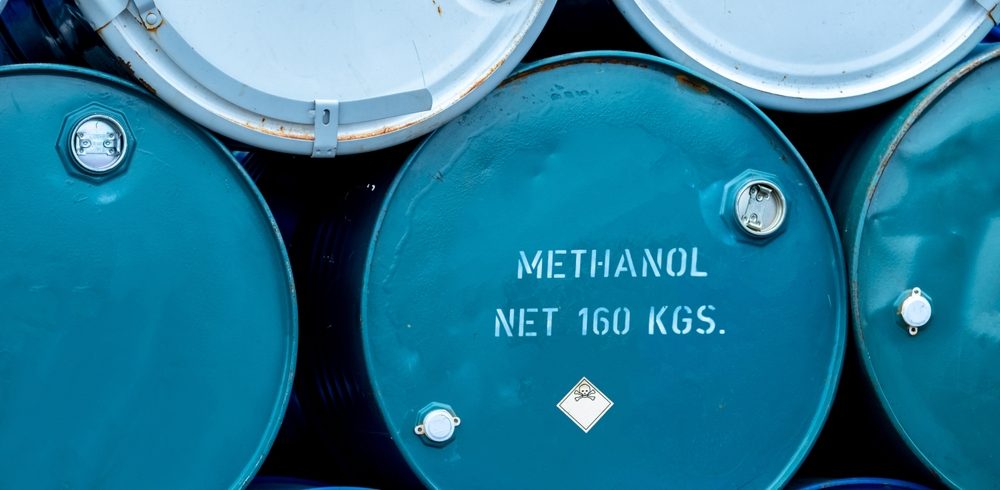
The maritime industry is changing again. Just as crews adapted from steam to diesel and later to LNG, a new shift is already underway. Methanol, ammonia and hydrogen are no longer concepts discussed only in boardrooms and pilot projects. They are being used on working vessels today, and their presence is reshaping what safe maritime training looks like.
For seafarers, offshore workers and those entering renewable energy roles such as wind turbine technicians, understanding these fuels is becoming increasingly important. New fuels bring new risks, and those risks demand new skills. Training is no longer just about traditional firefighting and sea survival. It now includes chemical awareness, gas behaviour and advanced emergency response planning.
At Stream Marine Training, we see this shift first hand. Crews are asking better questions, employers are raising expectations and training standards are evolving to keep pace with the vessels entering service.
Why the Industry Is Moving Toward New Fuels
Global pressure to reduce emissions has accelerated the adoption of alternative fuels across shipping and offshore operations. Methanol is already in use on large commercial vessels. Ammonia is being developed as a zero carbon fuel. Hydrogen is gaining traction in short sea shipping and offshore support roles.
These fuels offer environmental benefits, but they also behave very differently from conventional marine fuels. They introduce hazards that cannot be managed safely without proper training.
What Makes These Fuels Different
Methanol
Methanol is easier to store than some alternatives, but it burns with a flame that is difficult to see in daylight. This changes firefighting tactics and makes detection and awareness critical.
Ammonia
Ammonia is toxic and corrosive. Even a small release can create a dangerous atmosphere. Crews must understand exposure risks, protective equipment and emergency containment procedures.
Hydrogen
Hydrogen ignites easily and disperses rapidly. Its behaviour demands strict control measures and heightened awareness during bunkering, storage and maintenance.
Each of these fuels changes how crews approach safety, maintenance and emergency response.
How Training Needs Are Changing
Traditional STCW training remains essential, but it is no longer enough on its own for vessels operating with alternative fuels. Training frameworks such as the IGF Code and BIGF related safety courses are becoming increasingly relevant.
These courses focus on:
-
Understanding fuel properties and hazards
-
Risk assessment and safe handling procedures
-
Emergency response planning for fuel related incidents
-
Firefighting techniques suited to chemical and gas fires
-
Personal protection and exposure management
This knowledge applies not only to seafarers, but also to offshore and renewable energy roles.
Why This Matters for Wind Turbine Technicians
People searching for the training required to become a wind turbine technician often focus on access, working at height and electrical safety. While those remain critical, offshore wind increasingly overlaps with maritime operations that use alternative fuels.
Service vessels, installation ships and offshore support craft are beginning to adopt methanol and hybrid systems. Technicians working offshore may find themselves operating from or alongside vessels using these fuels.
Understanding fuel behaviour, emergency response and onboard safety procedures strengthens employability and prepares technicians for the realities of modern offshore work.
Preparing for the Next Generation of Maritime Work
Future fuels are not replacing traditional safety training. They are building on it. A strong foundation in STCW fire prevention, firefighting and emergency response remains essential. From there, specialist training develops the additional awareness needed for alternative fuel environments.
This layered approach gives workers confidence. It also gives employers reassurance that their crews can operate safely in a changing industry.
At SMT, training is delivered by instructors with real operational experience. Courses focus on practical understanding, not just theory. The goal is always the same. Make sure people leave training knowing how to apply what they have learned in the real world.
Recap
Methanol, ammonia and hydrogen are already changing maritime operations. As their use increases, training must evolve alongside them. For seafarers, offshore workers and those entering wind energy roles, understanding these fuels is becoming part of being job ready.
Future fuels bring opportunity, but only when supported by the right skills and knowledge. Training that reflects real risks and real vessels is what turns innovation into safe, workable progress.
FAQs
What are future fuels in maritime
Future fuels include methanol, ammonia and hydrogen, which are being introduced to reduce emissions and support cleaner shipping.
Do alternative fuels change safety training requirements
Yes. These fuels behave differently from traditional marine fuels and require additional awareness and emergency response training.
Is this training relevant to wind turbine technicians
Yes. Offshore wind relies on vessels that may use alternative fuels, making fuel safety knowledge increasingly valuable.
Are STCW courses still required
Yes. STCW remains the foundation of maritime safety training, with additional courses building on that base.
Why is fuel awareness important offshore
Understanding fuel behaviour helps prevent incidents, protects crew health and ensures effective emergency response.