
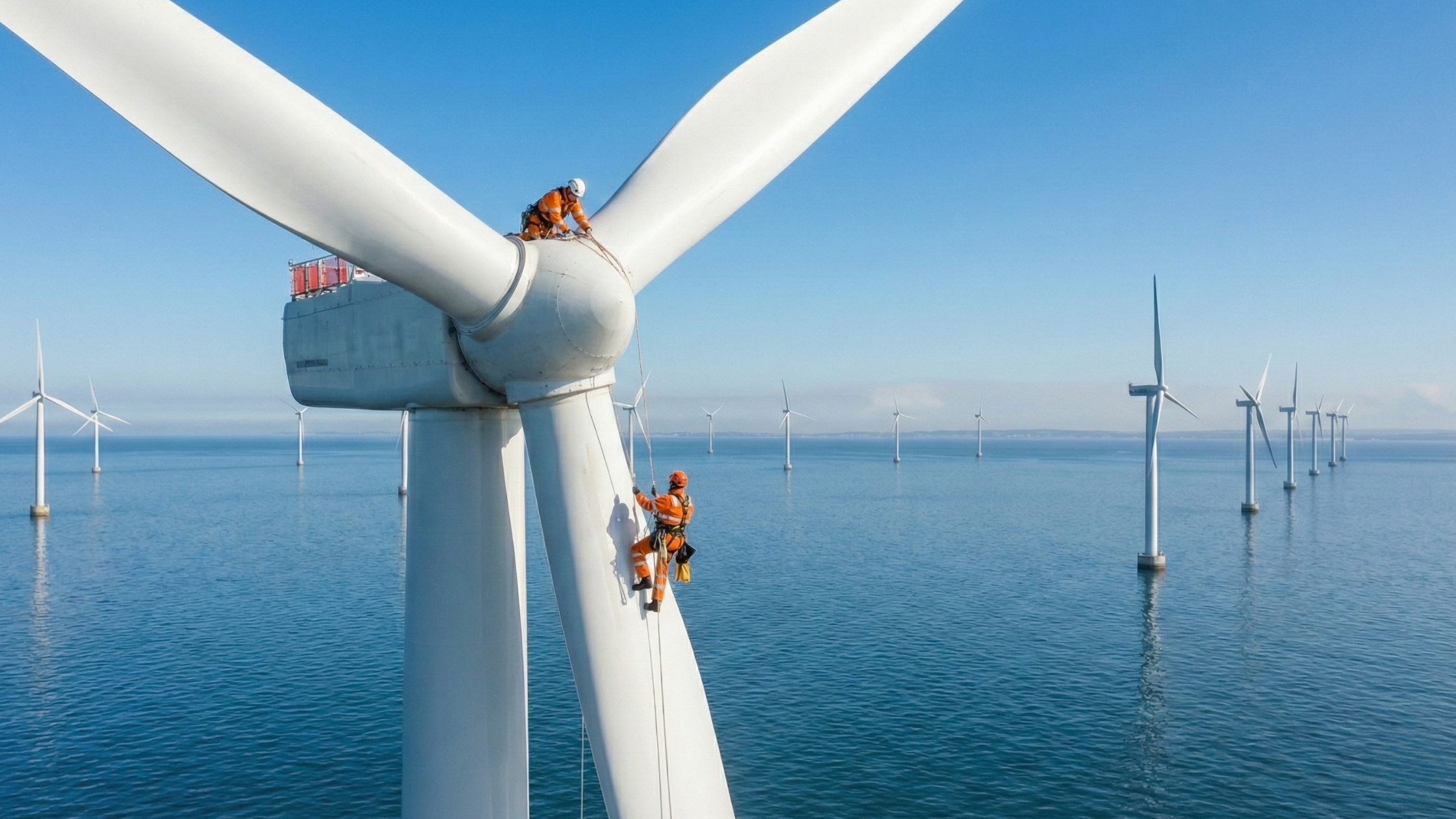
Wind energy is no longer a future industry. It is already one of the fastest growing sectors in the UK and across Europe. With offshore and onshore wind projects expanding every year, demand for skilled technicians continues to rise. For people considering a career change, or those with existing trade skills, becoming a wind turbine technician is now a realistic and attractive option.
This role combines practical hands on work, strong earning potential and long term job security. However, it also comes with responsibility. Working at height, offshore environments and complex machinery mean proper training is essential from day one.
This guide explains the training required to become a wind turbine technician, the skills employers look for and the types of jobs you can apply for once qualified.
What Does a Wind Turbine Technician Do
Wind turbine technicians install, inspect, maintain and repair turbines. Depending on the role, this can involve electrical work, mechanical servicing, blade inspection or fault finding within turbine systems.
Many technicians work offshore, travelling by vessel or helicopter to wind farms. Others work onshore at wind parks across the UK. The environment can be physically demanding, but for many people that is part of the appeal.
Do You Need Previous Experience to Enter Wind Energy
No specific background is required, but some experience can help. Employers regularly recruit people from trades such as:
-
Electricians
-
Mechanical engineers
-
Joiners
-
Plumbers
-
Fitters and maintenance technicians
-
Offshore and maritime workers
If you are comfortable working with tools, following procedures and learning technical systems, wind energy can be a strong career move.
The Training Required to Become a Wind Turbine Technician
GWO Basic Safety Training
GWO Basic Safety Training is the industry standard entry requirement for wind turbine work. It is recognised by wind farm operators and contractors across the UK and Europe.
The course focuses on personal safety and emergency response in turbine environments. It includes:
-
Working at height and rescue
-
First aid
-
Fire awareness
-
Manual handling
-
Sea survival for offshore roles
This training prepares you to work safely inside turbines and respond effectively if something goes wrong.
Additional Technical Training
Once you complete GWO Basic Safety Training, employers may provide further technical training specific to turbine models or systems. This can include electrical qualifications, mechanical servicing or blade repair skills.
Many companies prefer to train technicians internally once the safety foundation is in place.
Why GWO Training Matters to Employers
Wind energy companies operate under strict safety standards. They want technicians who understand risk, follow procedures and remain calm in challenging conditions.
GWO training demonstrates that you:
-
Understand working at height risks
-
Can operate safely offshore or onshore
-
Know how to respond to medical or fire emergencies
-
Can work as part of a safety focused team
Without GWO certification, most employers will not allow technicians on site.
What Jobs Can You Apply For After GWO Training
Once certified, a wide range of roles become available. These include:
-
Wind turbine technician
-
Maintenance technician
-
Electrical wind technician
-
Mechanical service technician
-
Offshore wind trainee roles
-
Rope access support roles
Many entry level positions are advertised as trainee or junior technician roles, making this an accessible route for career changers.
Offshore vs Onshore Wind Careers
Both routes offer strong prospects.
Onshore roles often provide more regular working hours and local travel. Offshore roles typically offer higher pay and rotational schedules, such as two weeks on and two weeks off.
Training requirements are similar, although offshore roles may also require maritime or sea survival training depending on the operator.
Why Timing Matters
The UK continues to invest heavily in renewable energy infrastructure. Offshore wind projects are expanding rapidly, and operators are planning years ahead.
Completing your training early gives you an advantage. Employers recruit continuously, but those who already hold GWO certification are far more likely to secure interviews and placements quickly.
Training With Confidence at SMT
At Stream Marine Training, GWO courses are delivered by instructors who understand both the wind sector and offshore working environments. Training is practical, supportive and focused on real world scenarios.
Delegates often comment on the friendly atmosphere, clear instruction and confidence they gain during the course. The aim is not just to pass modules, but to prepare people for the realities of turbine work.
Recap
Becoming a wind turbine technician is one of the most accessible routes into the renewable energy sector. With the right safety training, practical skills and mindset, people from many backgrounds can make the transition successfully.
GWO Basic Safety Training remains the key qualification employers look for. It opens the door to onshore and offshore roles and provides the foundation for a long term career in wind energy.
FAQs
What training is required to become a wind turbine technician
You must complete GWO Basic Safety Training. This is the minimum safety qualification required by wind farm operators.
Do I need experience before starting GWO training
No. Many people enter wind energy from other trades or industries without prior turbine experience.
Is GWO training valid across the UK
Yes. GWO certification is recognised across the UK and internationally within the wind sector.
Can I work offshore with GWO training
Yes. Offshore wind roles require GWO training and may also require additional maritime safety courses depending on the employer.
Are wind turbine technician jobs in demand
Yes. The wind energy sector continues to grow, creating strong demand for trained technicians.