
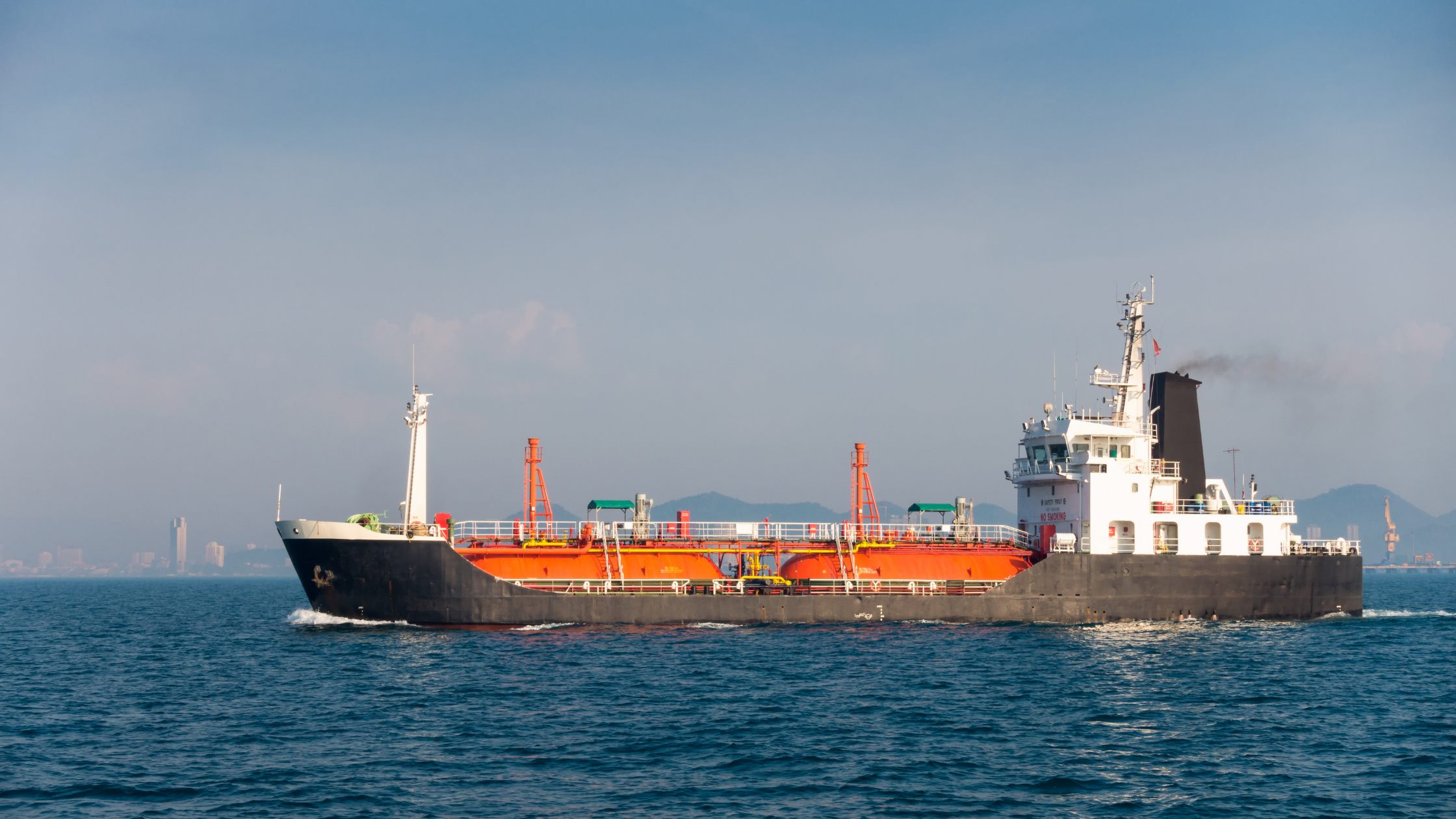
Alternative fuel vessels operate under the IGF Code, which governs ships using low-flashpoint fuels like LNG, methanol and ammonia, but not every crew member needs the same level of IGF training. Training requirements depend on your role, your responsibilities and how directly you interact with alternative fuel systems.
Understanding who needs what level of training helps clarify your own certification requirements and ensures that vessels deploy crews appropriately trained for the specific systems they’ll operate.
Understanding the Two Levels of IGF Training
The maritime industry recognises two levels of IGF Code training: Basic and Advanced. This distinction exists because crew members have different relationships with alternative fuel systems depending on their roles.
Before exploring specific roles, it helps to understand what each level covers. For a comprehensive overview of the IGF Code itself, including the regulations and systems it governs, our IGF Code Explained guide provides detailed context on the framework these training courses address.
Basic IGF Training (BIGF)
Basic training is designed for crew members who have designated safety duties related to alternative fuel systems but don’t have direct operational responsibility for managing fuel systems. The focus is awareness and appropriate response.
Basic IGF training covers how low-flashpoint fuels behave, the hazards they present, what safety systems are onboard to manage those hazards and what crew should do if something goes wrong. Personnel completing basic training understand the risks well enough to work safely around alternative fuel systems and respond appropriately in emergencies.
Advanced IGF Training (AIGF)
Advanced training is for officers and personnel with direct responsibility for alternative fuel system operation, management and maintenance. The focus is operational competency and decision-making.
Advanced IGF training goes deeper into fuel system design, operation, emergency procedures and troubleshooting. Personnel completing advanced training can make decisions about fuel management, understand technical specifications and lead emergency response if fuel-related incidents occur.
Stream Marine Training delivers both Basic IGF training (£750) and Advanced IGF training (£1,200), both of which take place at our Training Centre on the Glasgow Airport Campus.
We also offer the Basic IGF course via webinar (£750) for personnel who prefer flexible, online delivery.
Deck Officers and IGF Training
Masters and deck officers have varying IGF training requirements depending on their specific responsibilities.
Master (Captain)
The Master is ultimately responsible for safe operation of the vessel, including all fuel systems. On alternative fuel vessels, the Master requires Advanced IGF training to understand fuel system operations, make decisions about fuel management and lead emergency response if fuel-related incidents occur.
If you’re a Master deploying to an IGF-coded vessel, you need AIGF certification before joining the ship. This isn’t a theoretical requirement – the Master’s authority and responsibility for vessel safety depends on understanding the systems being operated.
Chief Officer
Chief Officers typically have responsibility for deck operations and may have involvement in fuel system oversight depending on the vessel’s operational structure. Most alternative fuel vessels require Chief Officers to hold Advanced IGF training because they may need to make decisions about fuel-related issues or direct crew response to fuel system emergencies.
Second Officer and Watchkeeping Officers
Second Officers and other watchkeeping officers typically require Basic IGF training. Their role involves understanding alternative fuel safety and responding appropriately to fuel-related hazards, but not managing systems directly. Basic training provides the awareness they need to work safely on alternative fuel vessels and recognize when situations require escalation to senior officers.
Engineering Officers and IGF Training
Engineering officers have the most direct interaction with fuel systems and typically require the highest level of training.
Chief Engineer
The Chief Engineer is responsible for all machinery and fuel systems onboard. On alternative fuel vessels, this responsibility extends to managing cryogenic fuel systems, monitoring fuel quality, overseeing fuel system maintenance and leading technical response to fuel system issues.
Chief Engineers deploying to IGF-coded vessels must hold Advanced IGF training. The technical depth required, understanding fuel chemistry, system design, operational parameters and emergency procedures – demands the comprehensive knowledge that advanced training provides.
First Engineer
First Engineers have significant responsibility for fuel system operation and typically require Advanced IGF training, particularly if they’re expected to manage fuel operations during the Chief Engineer’s absence or lead technical troubleshooting.
Second Engineer and Engine Room Watch Keepers
Second Engineers and other engine room personnel typically require Basic IGF training. They work with fuel systems daily, need to understand how those systems operate safely and must recognise emergency situations, but don’t typically make decisions about system management.
Ratings and General Crew
Crew members without officer status have varying training requirements depending on their specific duties.
Bosun and Able Seamen
Bosuns and Able Seamen typically require Basic IGF training. Their work may involve tasks near fuel system components or involvement in fuel transfer operations, and they need to understand the hazards and respond appropriately to emergencies.
Ordinary Seamen and Deck Ratings
Ordinary Seamen and ratings typically require Basic IGF training if they have any designated safety duties related to alternative fuel systems. If their work doesn’t involve fuel system areas or fuel transfer operations, they may not require formal IGF training, though their employer should clarify whether their specific duties trigger training requirements.
Engine Room Ratings
Engine room ratings working below decks on alternative fuel vessels typically require Basic IGF training. They work in spaces where fuel system components are located and need to understand safety procedures and hazard recognition.
Catering and Domestic Staff
Galley and domestic crew typically don’t require formal IGF training unless their work directly involves fuel system areas. However, they may benefit from safety briefings about the vessel’s alternative fuel systems as part of general onboard safety induction.
Support and Specialist Roles
Some crew members in specialist roles may need IGF training depending on their responsibilities.
Safety Officers
Safety Officers on alternative fuel vessels should hold Advanced IGF training to provide technical leadership on fuel system safety and emergency response coordination. Their safety oversight role demands comprehensive understanding of alternative fuel systems and the specific hazards they present.
HSE Representatives
Health, Safety and Environment representatives typically benefit from Advanced IGF training to effectively monitor fuel system safety and represent crew interests on fuel-related issues.
Surveyors and Inspectors
Port State Control surveyors and classification society inspectors who may inspect alternative fuel vessels benefit from specialised training covering inspection points and compliance verification for IGF systems.
What If You’re Unsure About Your Requirements?
Your employer should clarify whether your role requires IGF training. Employment contracts often specify training requirements, and crew management systems typically assign training based on role codes.
If you’re uncertain, contact your employer or the vessel operator directly. They can confirm whether your specific role requires Basic or Advanced IGF training, or whether IGF training isn’t required for your position.
Practical Considerations for IGF Training
Training Format
Stream Marine Training delivers Basic IGF training in both classroom and webinar formats. The webinar option (£750) suits personnel with scheduling constraints or those deployed internationally. Advanced IGF training is classroom-based, allowing for more interactive discussion of complex technical material.
Timing
Most crew need to complete IGF training before deploying to alternative fuel vessels. Plan training well in advance of your joining date rather than attempting to arrange it immediately before deployment.
Duration
Basic IGF training typically takes one or two days depending on format. Advanced IGF training takes longer due to technical depth, usually spanning multiple days.
Costs
Basic IGF training costs £750 whether delivered in classroom or webinar format. Advanced IGF training costs £1,200. Some employers cover training costs as part of crew development, while others require crew to fund their own training. Confirm with your employer before booking.
Beyond IGF Training: Vessel-Specific Requirements
Many alternative fuel vessels require crew-specific briefings or training beyond formal IGF certification. These briefings cover the specific systems onboard, fuel transfer procedures for that particular vessel and emergency response protocols specific to the ship.
This additional training typically occurs during crew change or before the crew assumes operational duties. Formal IGF certification demonstrates the foundational knowledge, while vessel-specific training addresses the particular systems and procedures aboard that ship.
Getting Your IGF Training
Stream Marine Training provides comprehensive IGF training at various levels and formats to meet your specific role requirements.
For Basic IGF training in a classroom setting or via webinar (both £750), visit our Basic IGF course page. If you prefer online delivery, our webinar option provides the same certification with flexible scheduling.
For Advanced IGF training (£1,200), see our Advanced IGF course page.
For more information about IGF Code regulations themselves, our IGF Code Explained guide provides comprehensive background on what the regulation covers and why these training requirements exist.
Contact our team to discuss your specific training needs:
Phone: +44 (0)141 212 8777
Email: bookings@streammarinetraining.com
FAQs
Do all crew members need IGF training?
No. Training requirements depend on your role and designated safety duties. Officers typically require Advanced training. Ratings with fuel system responsibilities require Basic training. Support crew may not require formal training if their duties don’t involve alternative fuel systems.
What’s the difference between BIGF and AIGF training?
Basic IGF (BIGF) training is for crew with safety duties but not direct operational responsibility for fuel systems. Advanced IGF (AIGF) training is for officers and personnel managing fuel systems directly. Advanced training covers more technical depth and system design.
How long is IGF training valid for?
IGF training certification doesn’t have a formal expiry date, but as maritime regulations evolve, training may become outdated. Most industry standards recommend refresher training every five years.
Can I take IGF training online?
Basic IGF training is available via webinar. Advanced IGF training is classroom-based to allow for interactive technical discussion.
How much does IGF training cost?
Basic IGF training costs £750 whether classroom or webinar. Advanced IGF training costs £1,200. Some employers cover costs; others require crew to fund training.
Which roles require AIGF certification?
Masters, Chief Engineers, Chief Officers and other personnel with direct responsibility for alternative fuel system operation and management typically require Advanced IGF training.
Which roles require BIGF certification?
Second Officers, watchkeeping officers, Second Engineers, engine room ratings, bosuns and able seamen typically require Basic IGF training if they have designated safety duties.
What if I’m unsure whether my role requires IGF training?
Contact your employer or crew management company. They can confirm training requirements based on your specific role code and designated duties.
Do support crew need IGF training?
Support crew typically don’t require formal IGF training unless their specific duties involve fuel system areas or fuel transfer operations. Your employer should clarify requirements for your position.
How long does IGF training take?
Basic training typically takes one or two days. Advanced training usually spans multiple days due to technical depth and hands-on components.