
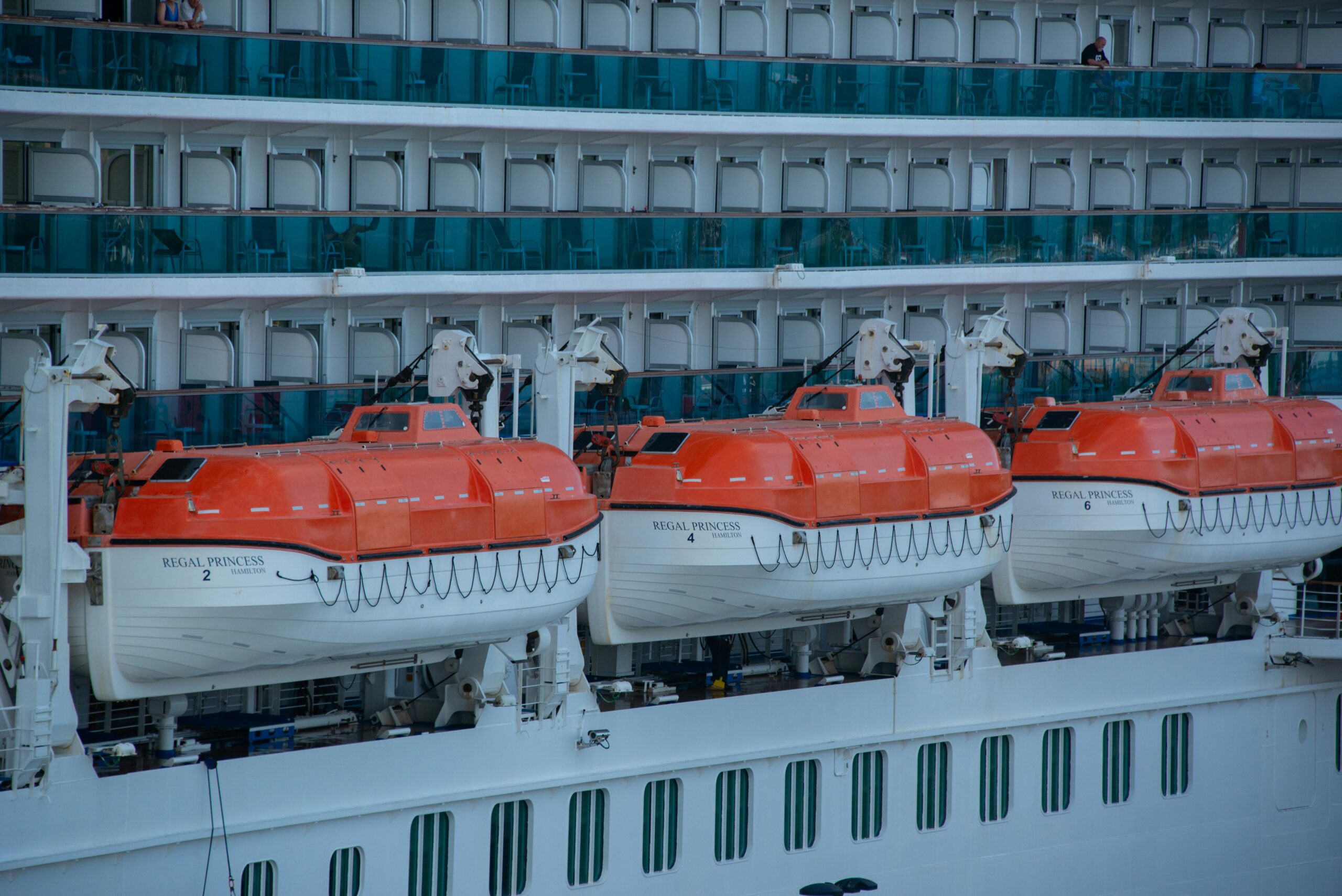
When things go wrong at sea, training is what makes the difference between panic and control. One of the most vital parts of that preparation is Personal Survival Techniques (PST) training. It is the foundation of maritime safety, the knowledge and confidence every seafarer needs before stepping on board.
At Stream Marine Training, we deliver PST courses that go far beyond theory. You will climb into liferafts, jump into the pool in full gear, and learn what to do when every second counts. Whether you are new to life at sea or renewing your certification, this training is what gives you the edge when safety depends on action.
Why Lifeboat Training Matters
Life at sea is unpredictable. Weather changes fast, equipment can fail, and sometimes the only option is to abandon ship. Knowing how to use a lifeboat or liferaft properly is not just about ticking a compliance box, it is about survival.
In an emergency, there is no time to read instructions or hesitate. Crews must work together instinctively, launching lifeboats in rough conditions, caring for others, and keeping calm under pressure. PST training builds those instincts. It gives you the muscle memory and awareness that only hands-on experience can provide.
What You Learn in PST Training
The Personal Survival Techniques course is part of the STCW Basic Safety Training package, recognised globally and approved by the Maritime and Coastguard Agency. It covers the skills and understanding needed to survive in the water and operate safely in lifeboats and liferafts.
The core modules include:
-
Abandon ship procedures – when and how to leave the vessel safely.
-
Liferaft use and management – launching, boarding, righting and survival inside.
-
Personal flotation and survival gear – how to use and maintain lifejackets, immersion suits and protective clothing.
-
Group survival techniques – staying together, signalling for help, and improving chances of rescue.
-
Cold water shock and hypothermia prevention – recognising and responding to the effects of cold exposure.
Training takes place in our purpose-built pool, where realistic sea conditions simulate what you might face offshore. You will learn how to work as a team in limited visibility, with noise, waves and stress all added to make the experience as real as possible.
Lifeboat Launch & Rescue Drills
Lifeboats and liferafts are at the heart of any emergency response. PST training gives you the chance to practise the entire process from start to finish, from mustering at your station to launching and manoeuvring the craft safely.
Delegates learn how to deploy and board lifeboats in controlled conditions, how to assist others, and how to maintain order during high-pressure moments. These are not abstract lessons; they are the same drills that save lives every year.
Our trainers make sure you leave understanding both your personal responsibilities and your role as part of a wider rescue effort. Confidence and communication are key, and that confidence comes from practice.
Who Needs PST Training?
Every seafarer working on commercial vessels, cruise ships or offshore installations must complete STCW Basic Safety Training, which includes the PST module. Even if you work in other areas of the maritime industry, this course is invaluable. It teaches life-saving skills that apply anywhere at sea.
Many delegates also return for refresher training to keep their certificates current and ensure their reactions remain sharp. At SMT, we offer refresher and routes that combine multiple modules, including PST, Fire Prevention and Fire Fighting, and Survival Craft Training.
Why Train with SMT
PST training at SMT is more than a requirement, it is an experience. Our facilities near Glasgow Airport are equipped to replicate real-life maritime conditions. Delegates take part in fully supervised drills, guided by trainers with real seagoing backgrounds who know exactly what it feels like to respond in an emergency.
We combine professionalism with personality. Training is serious, but we make sure it is engaging, supportive and, at times, good fun. That balance is what makes learning stick and why delegates consistently rate us five stars for both expertise and atmosphere.
Our Final Thoughts
PST training is the first and most important step in learning how to protect yourself and others at sea. It prepares you for lifeboat launches, rescues and the realities of survival, skills that every seafarer hopes never to need, but must always be ready for.
At Stream Marine Training, we take pride in turning those lessons into confidence. Our lifeboat and rescue drills are practical, realistic and led by people who understand what it takes to stay safe offshore.
If you are starting a maritime career or renewing your qualifications, this is where your safety journey begins.
FAQs
What is PST training and who needs it?
Personal Survival Techniques is part of STCW Basic Safety Training. It is required for seafarers working on commercial vessels, cruise ships, ferries and superyachts.
How long does PST training take and what will I learn?
PST typically runs in a short, focused session within the five day STCW package. You will cover abandon ship procedures, liferaft use, lifejacket and immersion suit, group survival and signals.
Do I need a PST refresher and how often?
Yes. PST requires updating every five years of active service. A refresher keeps your skills current and your certification valid.
What do lifeboat launch and rescue drills involve?
You will practise mustering, boarding, launching and managing survival craft. Drills develop teamwork, communication and calm decision making in realistic conditions.
Is PST training suitable for beginners?
Yes. The course is designed for new entrants as well as experienced crew. Instructors guide you through each exercise step by step.
What should I bring to PST training?
Bring suitable swimwear, a towel and any items requested in your joining instructions. All specialist kit is provided on site.