
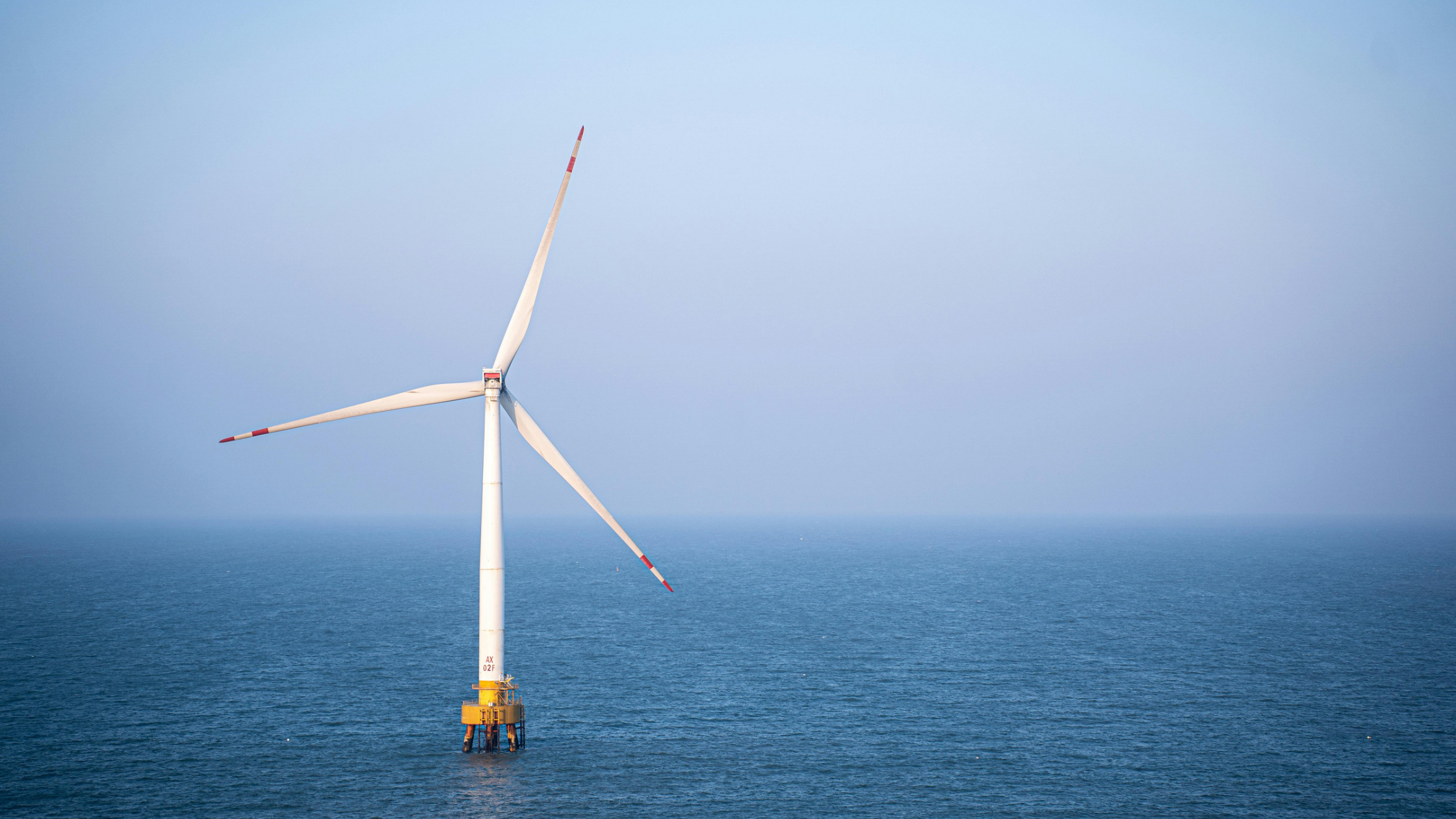
£12 billion. Three million homes. Thousands of jobs. And somebody has to go out to sea and build it.
This week, the UK saw one of the biggest commitments to offshore wind it has ever seen. RWE and KKR confirmed a £12 billion investment in the Vanguard wind farms off Norfolk, which the government describes as the largest renewables investment in UK history. On the same day, SSE announced 130 new Scottish jobs in Glasgow and Montrose, linked to its Berwick Bank B project in the Firth of Forth.
Behind the headline figures is a simpler story. Every one of these projects needs trained people offshore, and lots of them.
£12 Billion Off the Norfolk Coast
Vanguard West and Vanguard East are two 1.4GW wind farms, 50 to 80 kilometres off the Norfolk coast. Together they’re expected to power around three million homes once fully up and running in 2030.
The investment, which reached financial close on 11 November, includes £1 billion from the state-owned National Wealth Fund. Onshore work is already underway. Offshore construction starts in early 2027, and the government says more than 2,400 jobs will be supported across construction and operation.
130 New Jobs in Glasgow and Montrose
Closer to home, SSE has picked Siemens Energy to supply the turbines and substations for Berwick Bank B, around 38 kilometres off the Scottish coast. The announcement brings 80 new SSE roles to Glasgow and 50 new Siemens Energy roles to Montrose Port, where teams will service and maintain the wind farm once it’s running.
Berwick Bank B still needs a final investment decision before construction begins. But SSE says almost 1,000 Scottish jobs are now linked to the project. If the wider Berwick Bank development is built in full, it could become the biggest offshore wind farm in the world.
Who’s Going to Build It?
Wind farms don’t build or maintain themselves. Installation crews, vessel crews, technicians and engineers will all be heading offshore, first to build these projects and then to keep them running for decades.
With offshore construction on Vanguard due to start in early 2027, the next twelve months are when much of that workforce gets recruited and trained.
Hiring for Offshore Wind?
If your business is bidding for work on these projects or growing a team to deliver them, training lead times matter. Getting your people GWO certified before contracts start means no delays when the work arrives. We work with employers to train teams in groups, schedule around project timelines and keep certificates in date across the workforce.
Thinking About a Career in Wind?
If you’ve ever thought about working offshore, now is a good time to look seriously at wind. Most roles start with GWO Basic Safety Training, which covers first aid, manual handling, fire awareness, working at heights and sea survival. Certificates last two years before you’ll need a refresher.
Already working in oil and gas? Your experience transfers well, but your BOSIET won’t cover you on a wind farm. Wind runs to its own standard, which is why plenty of offshore workers now hold both GWO and OPITO certificates.
Get GWO Ready Before the Work Arrives
Offshore construction on Vanguard starts in early 2027, and the jobs at Berwick Bank B are already being filled. When projects of this size get going, the people who are trained and certified are the ones who get the work first.
Building a team for offshore wind? We can train your people together, plan dates around your project timelines and keep everyone’s certificates in date, so your crew is ready the moment the contract lands.
Starting your own career in wind? One course gets you there. GWO Basic Safety Training gives you the certification wind farm operators expect, delivered by experienced instructors at our centre at Glasgow Airport.
Frequently Asked Questions
What are Vanguard West and Vanguard East?
Two 1.4GW offshore wind farms being developed by RWE and KKR off the Norfolk coast, due to be fully commissioned by 2030.
Where are the new Berwick Bank B jobs?
SSE has announced 80 new roles in Glasgow and 50 new Siemens Energy roles at Montrose Port.
What training do I need to work on an offshore wind farm?
Most roles require GWO Basic Safety Training, covering first aid, manual handling, fire awareness, working at heights and sea survival.
Can I use my BOSIET to work in offshore wind?
No. BOSIET is the oil and gas standard, and wind farms generally require GWO, so many people working across both sectors hold both.
How long does GWO training last?
GWO certificates are valid for two years.