
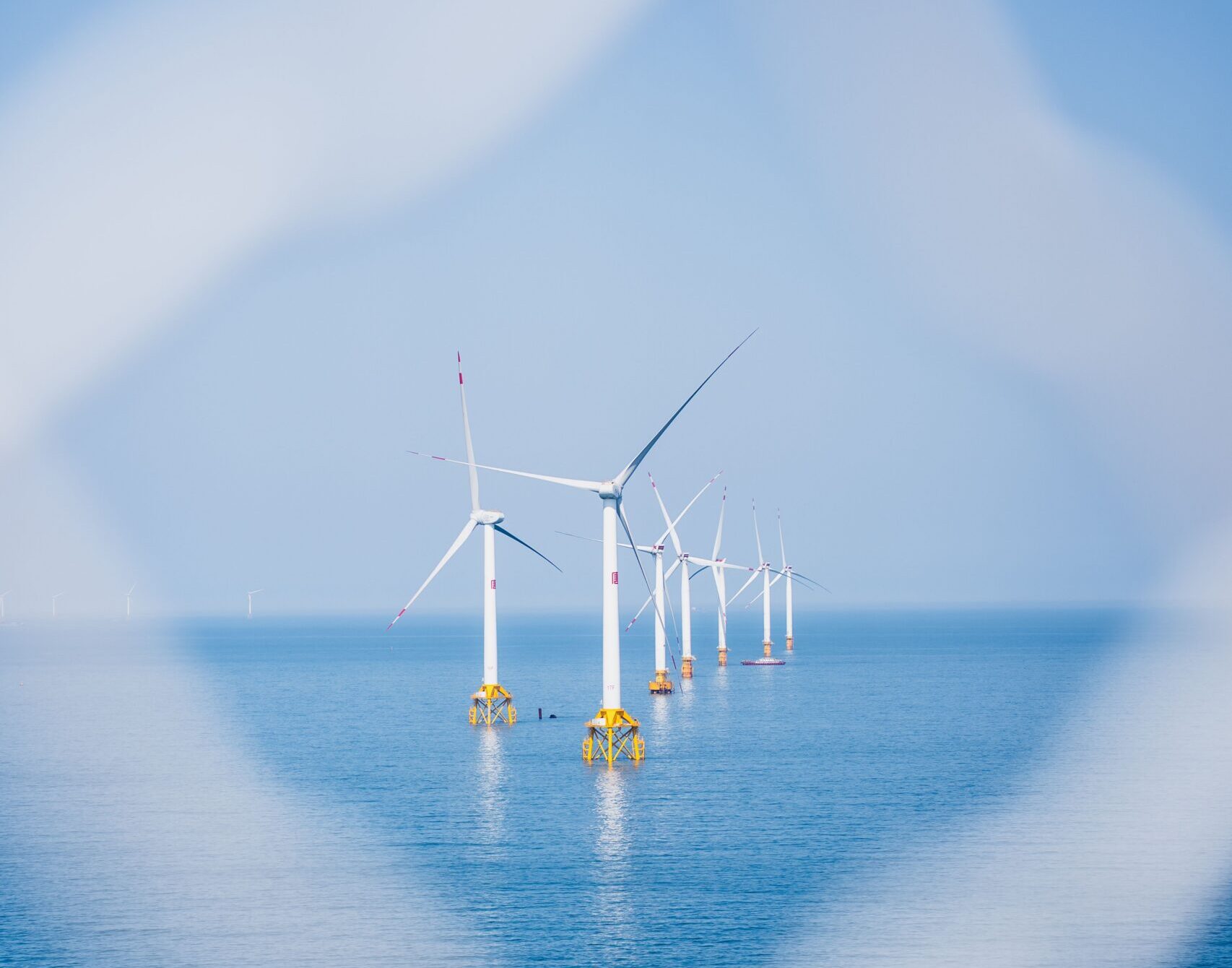
Scotland is in the middle of an offshore wind boom, and the people who get the best roles over the next couple of years are the ones who see it coming and get themselves ready early.
This isn’t wishful thinking either. The Scottish Government has put actual numbers behind it. Its offshore wind skills plan maps out a project pipeline of more than 40 GW, and it’s flagged seven specific roles where demand is going to be greatest, with the squeeze expected to peak as early as 2027. That’s not far away. When projects of that size get moving, they need people who are already trained and certified, not people who still have to go away and get qualified first.
So if you’re weighing up a move into wind, this is a genuinely good moment to look seriously at it. Below are the seven roles the plan singles out, what each one actually involves, and the training that gets you through the door.
1. Wind Turbine Technician
This is the one most people picture when they think of working in wind, and for good reason. Turbine technicians are the people who keep the turbines turning, carrying out the inspections, maintenance and repairs that keep a wind farm running for decades. It’s hands-on, it’s often at height, and offshore it means being transferred out to the turbine by boat.
It’s also a role in real demand, and it’s one of the most accessible entry points into the sector if you’re coming from outside. The training that opens the door is GWO Basic Safety Training, which covers working at height, sea survival, first aid, fire awareness and manual handling. That’s the baseline employers expect before you set foot on a turbine.
2. Marine and Waterways Transport Operatives
Every offshore wind farm depends on getting people and kit out to sea safely, and that’s where marine operatives come in. These are the crews running the vessels that service the turbines, from crew transfer boats to the larger support vessels. If you’ve already got a maritime or offshore background, this is one of the most natural moves you can make, because so much of what you know carries straight across.
The safety training here leans on the offshore survival qualifications the maritime world already runs on, and GWO Sea Survival is central to working around turbines specifically. For anyone coming from a seagoing or offshore oil and gas background, a lot of the groundwork is already done.
3. Installation and Maintenance Electricians
Wind farms are, at heart, enormous electrical systems, and they need skilled electricians to install and maintain them. This role sits right at the top of the demand list, and it’s a strong example of how existing trades transfer into wind rather than starting from scratch. If you’re a qualified electrician already, the core skill is there; what you add is the wind-specific safety and working-at-height competence.
That’s exactly what GWO Basic Safety Training provides. It takes the trade you already have and makes you safe and employable in the turbine environment, which is the piece employers won’t move without.
4. Metalworking Production and Maintenance Fitters
Turbines and their supporting structures involve a lot of precision metalwork, and fitters are the people who build, assemble and maintain those mechanical components. It’s skilled, practical work, and like the electrical trades it’s a role where an existing engineering or fabrication background is a real head start rather than a barrier.
Again, the gap to close is the wind-specific safety training, with GWO Basic Safety Training as the foundation. The underlying craft transfers; the certification is what makes it count in this sector.
5. Engineering Technicians
Engineering technicians are the versatile problem-solvers across a wind farm’s life, supporting the installation, testing, commissioning and maintenance of turbine systems. It’s a broad role that suits people with a solid technical grounding who enjoy variety and hands-on work rather than being tied to one narrow task.
The route in follows the same pattern as the other technical roles. Your technical background does the heavy lifting, and GWO Basic Safety Training adds the offshore and at-height safety competence that turns transferable skills into a job offer.
6. Mechanical Design Engineers
Not every offshore wind role is out on the water. Mechanical design engineers are central to how turbines and their systems are designed and developed, and much of this work happens onshore. It’s a role for people with the right engineering qualifications and a design mindset, and it shows that a career in wind isn’t only for those who want to climb a turbine.
The training needs depend on the specifics of the role and whether it involves site visits, but anyone heading offshore as part of the job will still need the relevant GWO safety certification before they go.
7. Electrical Engineers
Finally, electrical engineers play a critical part across every phase of an offshore wind project, from design and development through to keeping the electrical systems running once the farm is live. It’s a high-skill, high-responsibility role, and demand for it runs right through the project lifecycle rather than just at the build stage.
As with the other engineering roles, your professional qualifications are the foundation, and where the work takes you offshore, GWO certification is the safety credential that makes you deployable.
The Common Thread: Get GWO Ready Before the Work Arrives
Look across all seven roles and one thing stands out. Whatever your background, trade or seagoing, electrical or engineering, the skill that keeps coming up is GWO certification. It’s become the entry ticket for offshore wind, the thing employers check for before they’ll put you on a turbine, and for most people the starting point is GWO Basic Safety Training.
That matters because of the timing. With demand expected to peak around 2027 and major Scottish projects recruiting now, the people who are trained and certified ahead of the rush are the ones who get the work first. Leaving it until the job is advertised often means you’re already behind someone who sorted their training early.
The encouraging part, especially if you’re coming from oil and gas, maritime or a skilled trade, is that you’re not starting over. The vast majority of what you already know transfers. GWO training simply fills the gap and makes it official.
Train for Offshore Wind in Scotland
Stream Marine Training delivers GWO Basic Safety Training and the individual GWO modules at our Glasgow facility, three minutes from Glasgow Airport, taught by instructors with genuine offshore experience. Whether you’re making your first move into the sector or adding the certification that turns your existing skills into an offshore wind career, we can help you get ready before the work arrives.
To check available dates or talk through which training fits the role you’re aiming for, get in touch:
Phone: +44 (0)141 212 8777
Email: bookings@streammarinetraining.com
Frequently Asked Questions
What offshore wind jobs are in demand in Scotland?
The Scottish Government’s offshore wind skills plan identifies seven priority roles where demand will be greatest: wind turbine technicians, marine and waterways transport operatives, installation and maintenance electricians, metalworking production and maintenance fitters, engineering technicians, mechanical design engineers, and electrical engineers. Demand across these roles is expected to peak as early as 2027, driven by a project pipeline of more than 40 GW.
Do I need GWO certification to work in offshore wind?
For most offshore wind roles, yes. GWO certification has become the entry ticket for the sector, and employers check for it before allowing anyone onto a turbine. The usual starting point is GWO Basic Safety Training, which covers working at height, sea survival, first aid, fire awareness and manual handling. Some office-based roles, such as certain design engineering posts, may not require it unless the work involves offshore site visits.
Can I move into offshore wind from oil and gas or another trade?
Yes, and it is one of the most natural moves you can make. The vast majority of skills from oil and gas, maritime and skilled trades transfer directly into offshore wind. Rather than retraining from scratch, most people simply need to add GWO certification to make their existing skills count in the wind environment.
How do I become a wind turbine technician in Scotland?
The most accessible route is to complete GWO Basic Safety Training, which is the baseline qualification employers expect before you work on a turbine. Combined with any relevant technical or trade background, this opens the door to one of the sector’s most in-demand roles. Training is available in Scotland, including at Stream Marine Training in Glasgow.
Why should I train now rather than waiting for a job offer?
Because timing matters. With demand expected to peak around 2027 and major Scottish projects recruiting now, the people who are already trained and certified are the ones who get the work first. Leaving training until a job is advertised often means competing against someone who got qualified early, so getting GWO ready ahead of the rush puts you in a stronger position.
Where can I do GWO training in Scotland?
Stream Marine Training delivers GWO Basic Safety Training and individual GWO modules at its Glasgow facility, three minutes from Glasgow Airport. Training is taught by instructors with genuine offshore experience, and GWO certification is recognised across the wind industry regardless of where you complete it.