
STCW training is often spoken about as if it is one single qualification. In reality, it is a framework that supports very different careers at sea. This is where confusion usually starts.
People contact SMT every week asking the same questions. Do I need STCW for yachts? Is it the same for cruise ships? What about offshore vessels? Do engineers need different training? The short answer is yes. The longer answer depends on where you want your career to go.
This blog breaks STCW down by career pathway. If you know where you want to work, or even if you are still deciding, this will help you choose the right training from the start.
The STCW Foundation Everyone Needs
Before looking at specific routes, it is important to understand the common ground. Most careers at sea begin with STCW Basic Safety Training. This includes:
-
Personal Survival Techniques
-
Fire Prevention and Fire Fighting
-
Elementary First Aid
-
Personal Safety and Social Responsibilities
These modules form the baseline. From there, additional requirements depend on the type of vessel, your role and your responsibilities on board.
STCW for Deck Crew
Deck crew roles include able seafarers, watchkeepers and those working toward officer of the watch positions. These roles involve navigation support, mooring operations, lookout duties and emergency response.
In addition to STCW Basic Safety, deck crew often require:
-
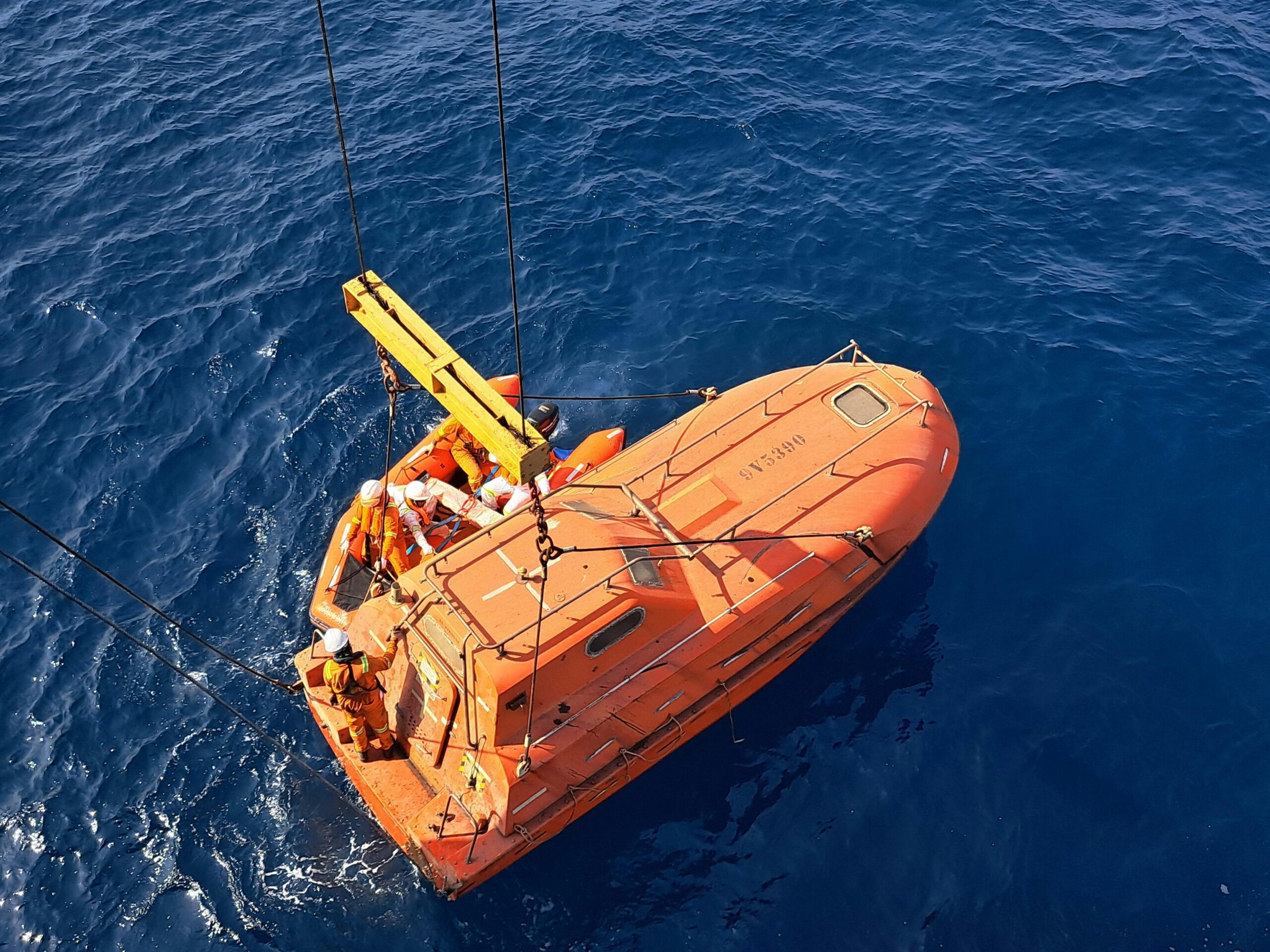
Proficiency in Survival Craft and Rescue Boats
-
Security Awareness training
-
Navigation related certifications as experience grows
This pathway suits people who enjoy structured routines, teamwork and operational responsibility.
STCW for Superyacht Careers
Superyacht roles attract people looking for travel, variety and a different working environment. Entry level positions often include deckhand and steward roles.
For yachts, STCW Basic Safety is essential. Many employers also expect:
-
Proficiency in Security Awareness
-
Crowd management for larger vessels
-
Additional customer service or hospitality experience
Yachting employers place high value on attitude and professionalism. STCW shows that you understand safety and can operate responsibly in close quarters.
STCW for Cruise Ship Roles
Cruise ships are floating cities. They require trained crew across hospitality, entertainment, catering, technical and deck departments.
While STCW Basic Safety remains the foundation, cruise ship roles may also require:
-
Crowd management training
-
Passenger safety training
-
Security awareness
These roles suit people who enjoy working with the public while still operating in a regulated maritime environment.
STCW for Offshore Support Vessels
Offshore support vessels operate in demanding conditions, often servicing energy installations or subsea operations. Safety standards are strict and expectations are high.
In addition to STCW Basic Safety, offshore vessel crew often require:
-
Proficiency in Survival Craft
-
Advanced Fire Fighting for senior roles
-
Medical training depending on responsibilities
Some offshore roles also require OPITO certification alongside STCW, depending on the nature of the work.
STCW for Engineering Routes
Marine engineers, electro technical officers and technical crew require STCW training tailored to machinery spaces and system management.
Alongside Basic Safety, engineering pathways may include:
-
Advanced Fire Fighting
-
Medical Care on Board for senior roles
-
Technical certification aligned with engineering duties
This route suits problem solvers who prefer working with systems, diagnostics and maintenance rather than deck operations.
Choosing the Right STCW Pathway
The most common mistake people make is booking training without understanding the end goal. This can lead to unnecessary courses or missing key requirements.
Before choosing your STCW route, consider:
-
The type of vessel you want to work on
-
Whether your role involves passengers
-
Your level of responsibility during emergencies
-
Whether you plan to progress into senior positions
SMT helps delegates map this out clearly, saving time, money and frustration.
Why This Matters in 2026 and Beyond
Maritime employers continue to raise expectations. While STCW remains the foundation, roles are becoming more specialised. Choosing the right training early makes career progression smoother and reduces the need for last minute certification updates.
Understanding your STCW pathway also improves employability. Employers want crew who arrive prepared, confident and compliant.
Recap
STCW is not one size fits all. It supports multiple career paths across the maritime industry, from deck crew and engineers to superyacht and cruise ship professionals.
Choosing the right training depends on where you want your career to go. With clear guidance and the right foundation, STCW becomes a tool that supports long term success at sea rather than a box ticking exercise.
FAQs
Is STCW the same for every maritime job
No. While Basic Safety is common, additional modules depend on your role, vessel type and level of responsibility.
Do superyacht and cruise ship crew need STCW
Yes. STCW Basic Safety is required for both sectors, with extra training depending on passenger numbers and duties.
Can offshore vessel crew use STCW instead of OPITO
Some roles require both. It depends on the vessel and the nature of offshore work.
Do engineers need different STCW training
Yes. Engineering routes often include Advanced Fire Fighting and medical training aligned with machinery spaces.
How do I know which STCW courses I need
A training provider like SMT can help assess your career goals and recommend the correct pathway.