
Starting your STCW Basic Safety Training Week is a big step into the maritime industry.
For many new entrants, it is the first real taste of what maritime safety training involves. You may be changing careers, preparing for your first role at sea, or simply trying to understand what the week actually looks like before you book.
At Stream Marine Training, the STCW Basic Safety Training Week brings together the core mandatory modules new seafarers need before joining a vessel. Delivered at our MCA-approved facility in Paisley, the course combines classroom learning, practical instruction and hands-on training across five days.
If you are wondering what happens during the week, here is a clearer look at how it is typically delivered.
Before You Arrive
Before attending, make sure you bring:
- Comfortable clothing you can move in
- Swimwear and a towel for pool work
- A full change of clothes
- Sturdy footwear with good grip
- Valid photographic ID, such as a passport, driving licence or discharge book
You should also be prepared for a week that includes both classroom-based learning and physically active practical sessions. Some parts of the course will involve water work, some will involve live fire training, and all of it is focused on preparing you for real shipboard safety requirements.
Monday: Introduction, PSSR, Security Awareness and the Start of Fire Fighting
The week begins with core classroom-based modules that introduce new seafarers to life, responsibilities and safety expectations on board.
Personal Safety and Social Responsibilities (PSSR)
PSSR acts as a basic introduction for new seafarers and gives important context for working safely and professionally at sea.
This part of the course covers:
- Safety and emergency procedures
- Accident prevention
- Employment conditions in line with the Maritime Labour Convention (MLC)
- The working environment seafarers can expect on board
- Shipboard hierarchy and general shipboard terms
- Safe working practices
- Fatigue awareness and the actions needed to control it
- MARPOL
- Shipboard duties and responsibilities
- The MN Code of Conduct
For anyone new to the industry, this module helps build an understanding of what shipboard life actually involves beyond the technical side of training.
Security Awareness (SA)
Security Awareness is mandatory for seafarers whose role requires compliance with the ISPS Code, even if they do not have specific onboard security duties.
This module covers:
- The ISPS Code
- Maritime security definitions
- How to recognise security threats
- Security roles and responsibilities
- Company and ship security requirements
- Security threat levels
- Security measures and procedures
It gives delegates a clear understanding of the security risks that can affect vessels and the role every crew member plays in maintaining awareness.
Fire Prevention and Fire Fighting begins
Fire Fighting starts at the end of Monday and continues through Tuesday and Wednesday.
This is one of the most practical and physically demanding parts of the STCW Basic Safety Training Week. It develops over several days and includes both theory and hands-on exercises.
Tuesday and Wednesday: Fire Prevention and Fire Fighting Continues
Fire Prevention and Fire Fighting is a major part of the week and builds from awareness through to practical response.
Across these sessions, delegates cover:
- Fire awareness
- Use of fire extinguishers
- Hose running
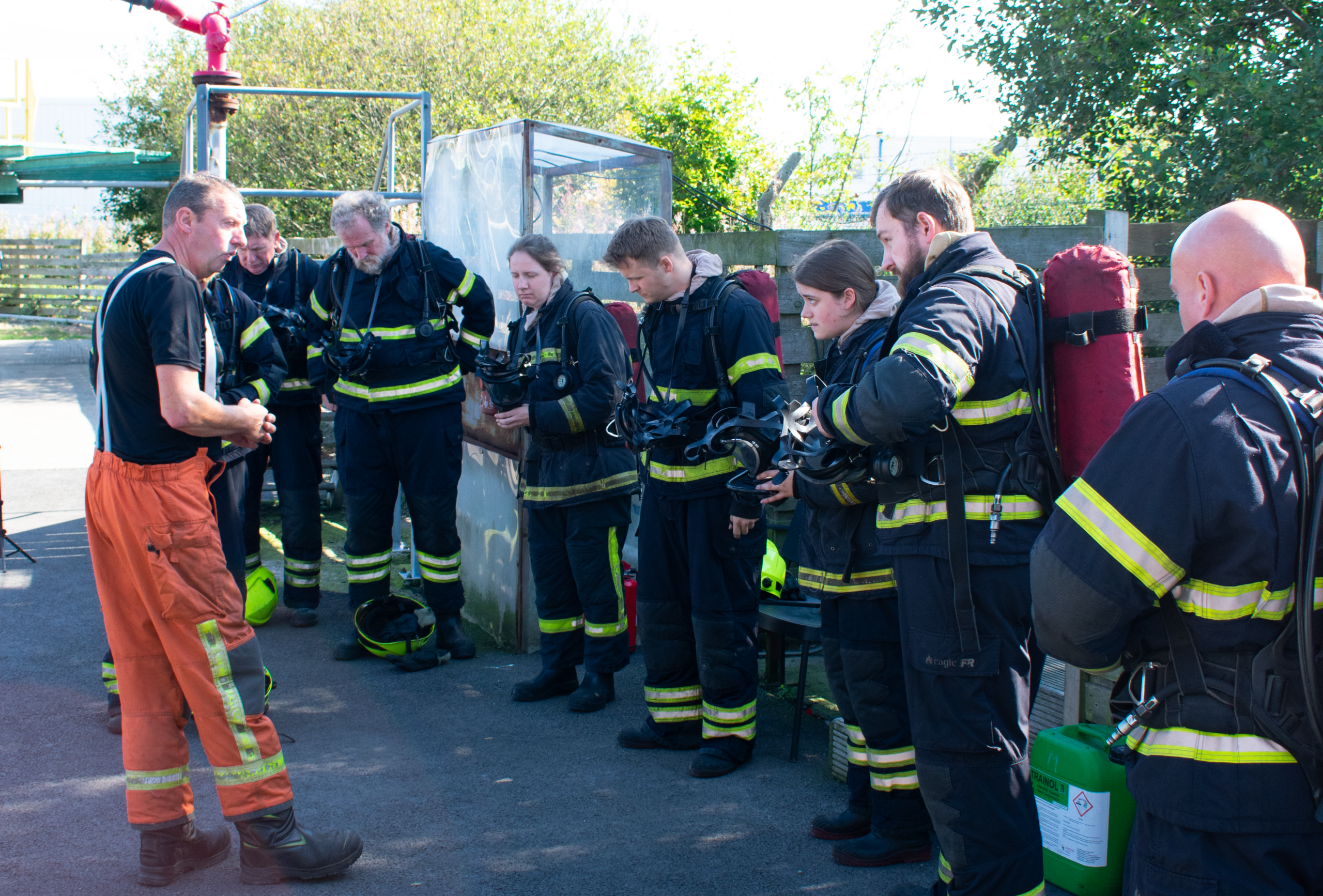
- Wearing a BA set
- BA build-up
- Fighting fires
- Fully carbonaceous fires
This part of the training is designed to give new seafarers a proper introduction to fire response in a maritime setting. It is not just about understanding fire in theory, but about using equipment correctly, working safely and following procedure under instruction.
By the end of Wednesday, delegates will have worked through the full Fire Fighting element of the course and will have experienced the practical side of firefighting in a controlled training environment.
Thursday: Personal Survival Techniques (PST)
Thursday is focused on Personal Survival Techniques.
This module prepares delegates for emergency situations involving abandonment and survival in the water. It combines classroom learning with in-pool practical exercises.
The course covers:
- Survival techniques
- In-water survival times
- Protection against cold water submersion
It then moves into pool-based activity, including:
- Swimming
- Towing
- Entering the water from height while wearing a lifejacket
- Wearing an immersion suit
- Getting in and out of a liferaft
- Righting an upturned liferaft
This is often one of the most anticipated parts of the week, especially for delegates who have never completed offshore or maritime safety training before. It is practical, memorable and designed to build confidence in emergency survival procedures.
Friday: Elementary First Aid (EFA)
Friday is dedicated to Elementary First Aid.
This module focuses on the basic first aid knowledge expected on a ship and introduces the essential actions a seafarer may need to take before further medical support is available.
The course covers:
- Basic first aid on a ship
- Doctors ABCs
- Wounds and bleeds
- CPR
It is a practical and important end to the week, giving delegates straightforward lifesaving knowledge that supports safer working onboard.
Assessment and Certification
Successful delegates are awarded MCA-approved STCW certifications for:
- Elementary First Aid (EFA)
- Fire Prevention and Fire Fighting (FPFF)
- Personal Survival Techniques (PST)
- Personal Safety and Social Responsibilities (PSSR)
- Security Awareness (SA)
Assessment takes place through the course, with a short exam forming part of successful completion.
For the PST and FPFF elements, revalidation is required every five years.
Who Is This Course For?
The STCW Basic Safety Training Week is for all new entrants to the maritime industry who need to complete mandatory basic safety training before joining a vessel.
That includes people moving into roles such as:
- Cadets
- Deck ratings
- Engine ratings
- Superyacht crew
- Hotel and catering staff
- Offshore contractors
Whether you are beginning a sea-going career or preparing for a new opportunity in the wider maritime sector, this course provides the core certification needed to get started.
Why Completing STCW Matters
Without valid STCW Basic Safety Training, new entrants can be refused boarding, delayed from joining a vessel, or prevented from progressing into maritime employment.
Completing the full week in one block is a practical way to gain the required certification efficiently while building a solid understanding of safety, emergency response and shipboard responsibilities.
It is not just about compliance. It is about arriving on board with a basic level of knowledge, awareness and confidence that the industry expects from every seafarer.
Book Your STCW Basic Safety Training Week
If you are ready to take your first step into the maritime industry, you can view upcoming availability and book your place on Stream Marine Training’s STCW Basic Safety Training Week here:
https://streammarinetraining.com/arlo/events/61-stcw-basic-safety-training-week-bsw/
Frequently Asked Questions About Your First STCW Training Week
How fit do I need to be for STCW training?
You need a reasonable level of general fitness. Some parts of the week are physical, particularly fire training and pool work, but the course is designed for people with everyday fitness levels. You do not need to be an athlete.
Will I have to go in the pool?
Yes. Personal Survival Techniques includes mandatory in-water training. All delegates are required to take part in the pool-based exercises as part of certification.
What if I’m not confident in the water or with enclosed spaces?
If you have any concerns, let your instructor know at the start of the week. Training is delivered step by step in a controlled environment, but all elements must be completed to successfully pass the course.
Do people fail STCW training?
Most delegates successfully complete the course by taking part fully and following instructions. Assessment takes place throughout the week, and instructors support you in meeting the required standard.
What does the fire training involve?
Fire Prevention and Fire Fighting runs across multiple days and includes both theory and practical exercises. You will learn how to use extinguishers, run hoses, wear breathing apparatus and take part in controlled fire scenarios on the fire ground.
What happens during breathing apparatus training?
You will be trained to wear and operate a breathing apparatus (BA set) as part of the fire module. This includes working in controlled, smoke-filled environments under instructor supervision.
Can I take breaks during the week?
Yes. Each day includes scheduled breaks and a lunch period. The course is structured to balance classroom learning with practical training.
What should I wear for STCW training?
Wear comfortable clothing suitable for physical activity, along with sturdy footwear. You’ll also need swimwear, a towel, and a change of clothes. Safety equipment is provided during training.
Do I complete all modules in one week?
Yes. The STCW Basic Safety Training Week includes all five required modules. The order may vary slightly, but everything is completed within the five days.
When will I receive my certificates?
Once you have successfully completed the course, your STCW certification will be issued in line with SMT’s certification process. The team will confirm how and when you will receive them.
How long are STCW certificates valid?
Most STCW certificates are valid for five years. Certain elements, such as Personal Survival Techniques and Fire Prevention and Fire Fighting, require refresher training within that period.